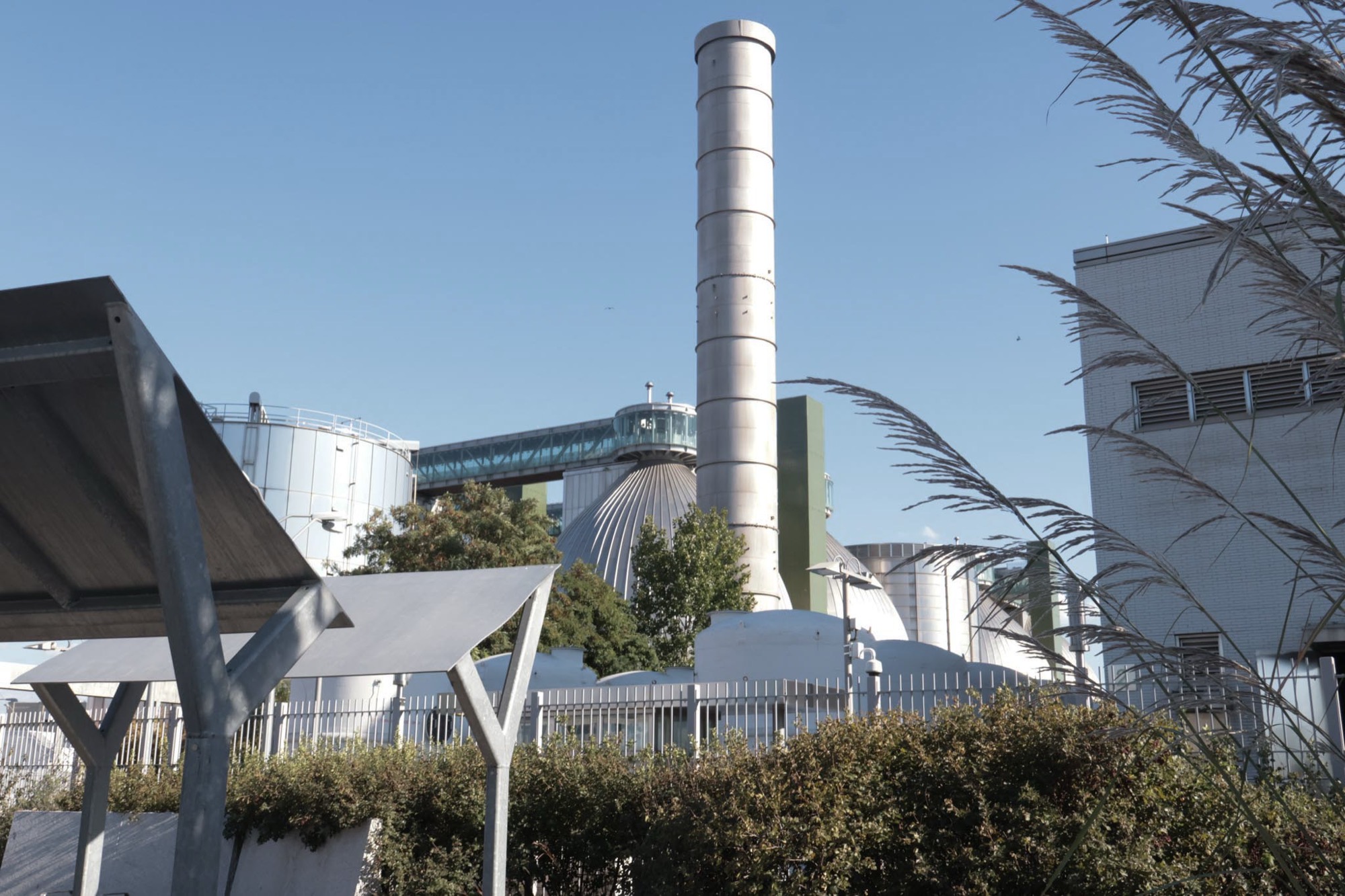
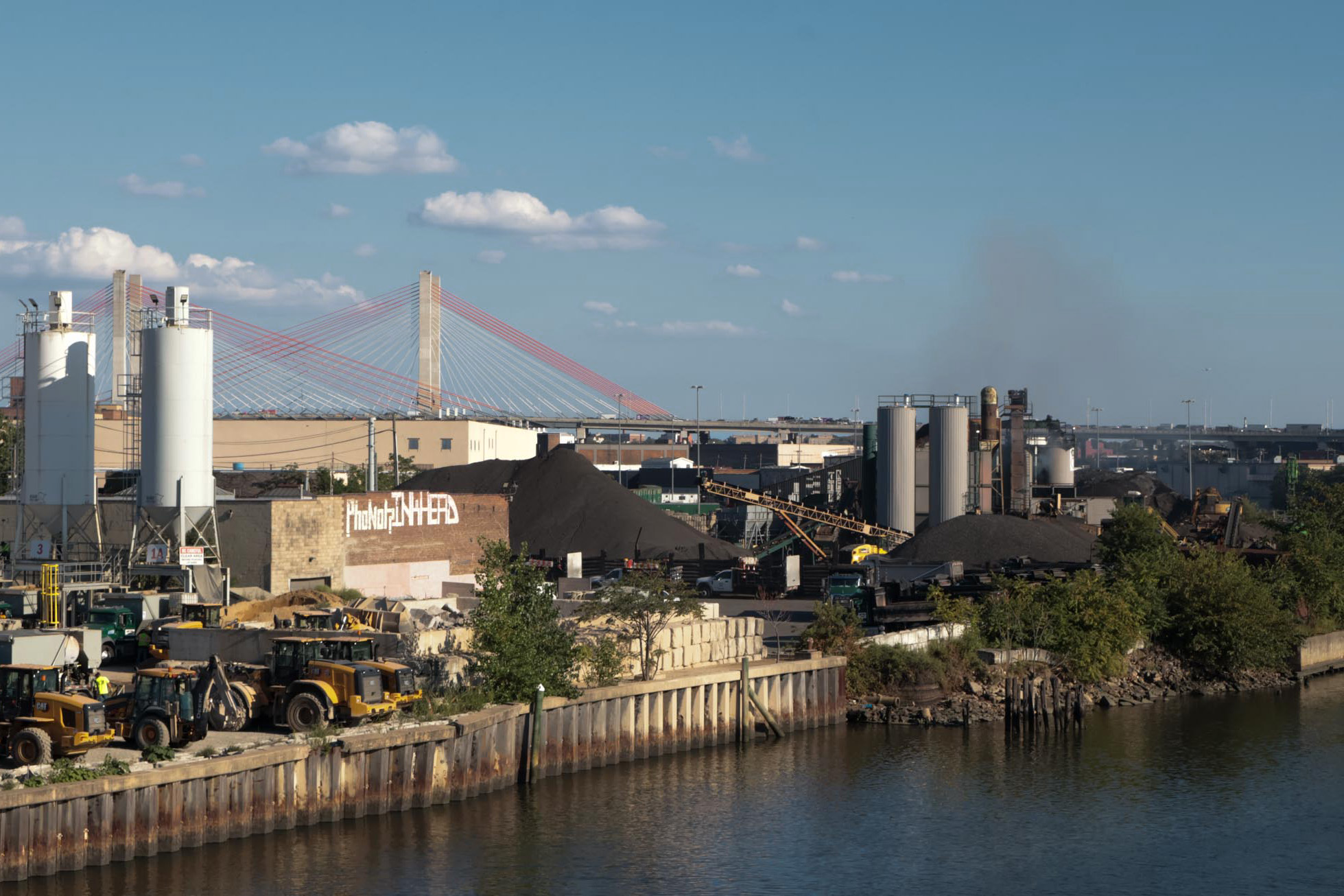
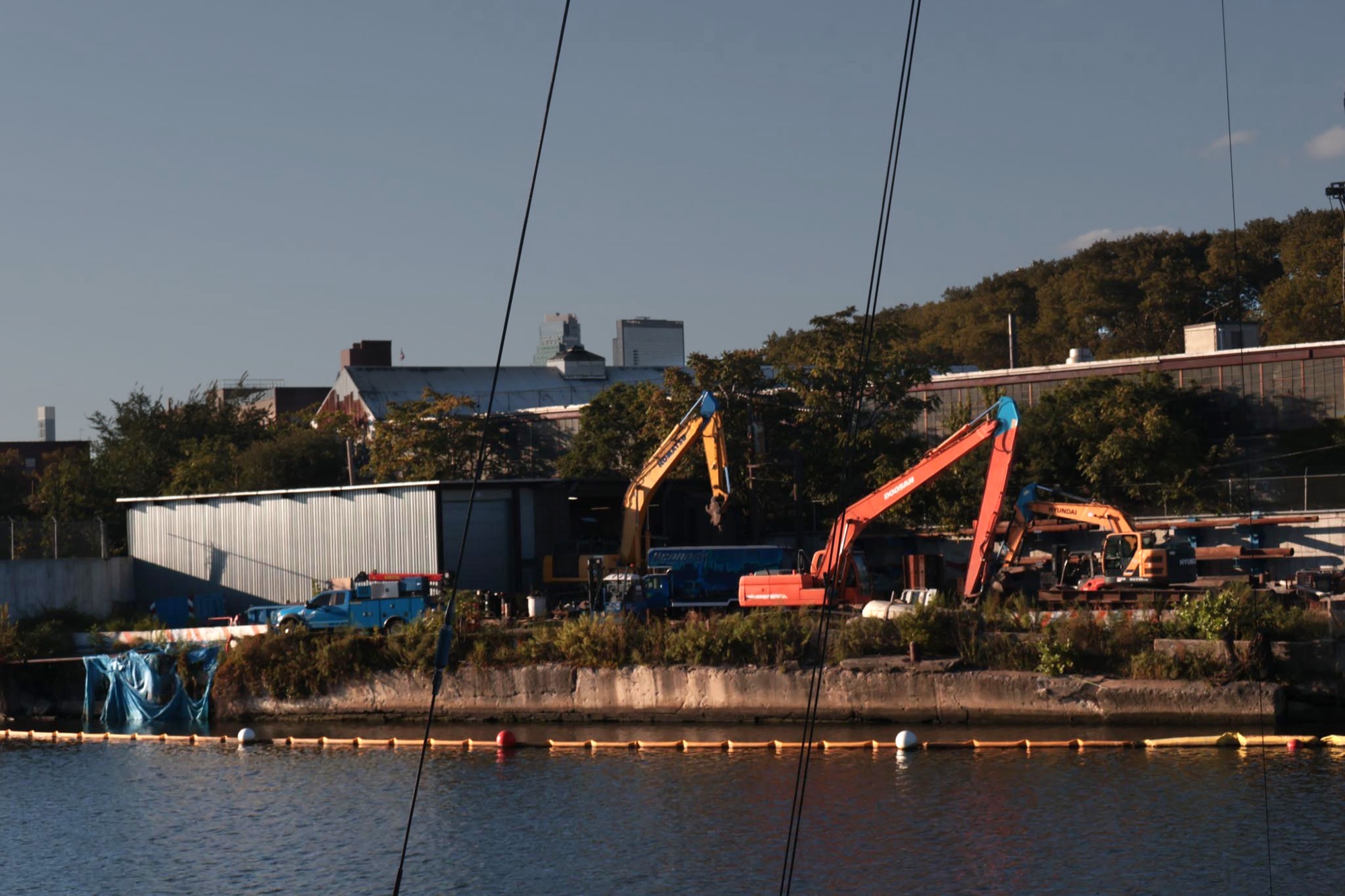
Newtown Creek is a 3.8 mile waterway that runs between northern Brooklyn and Queens in New York City. The creek was once one of the busiest hubs of industrial activity in the 1800s, lined with more than 50 industrial facilities producing oil, petrochemicals, sugar, copper, glue etc. Beginning in 1856, the city compounded the damage by dumping raw sewage directly into the water. Today, even though some wastewater treatment upgrades have been made, the creek remains one of the most polluted waterways in the United States, according to the US Environmental Protection Agency.
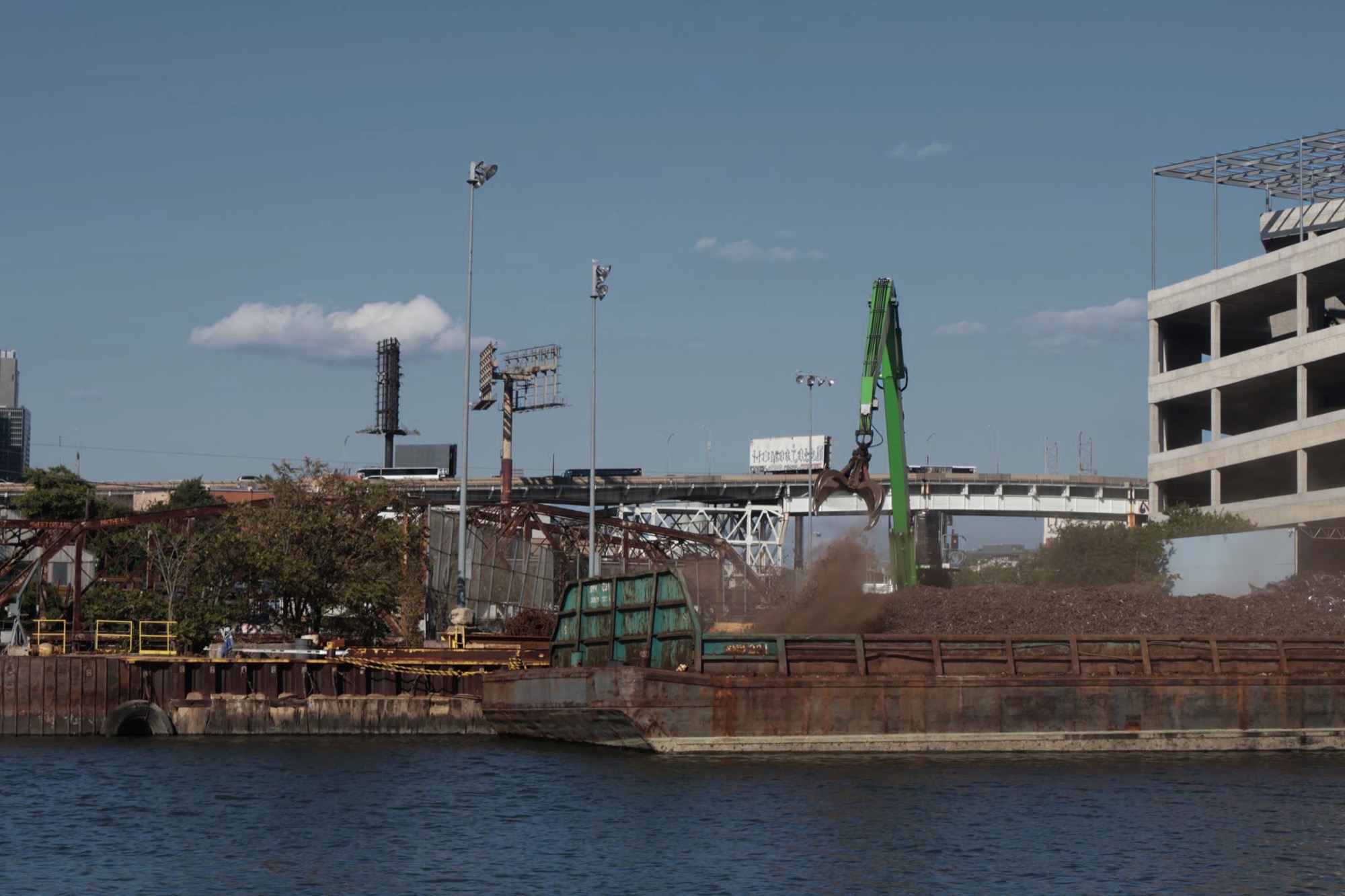
Currently, factories and commercial facilities still operate along the creek, contaminating the water and the nearby neighborhood even more. The creek’s sediments are contaminated with metals like lead and copper, as well as toxic chemical compounds. Long term exposure to these pollutants can cause cancer, organ damage, skin rashes and cataracts. Yet many residents still use the creek for recreation, boating, scuba diving, and even dishing, putting themselves at risk of consuming contaminated seafood.
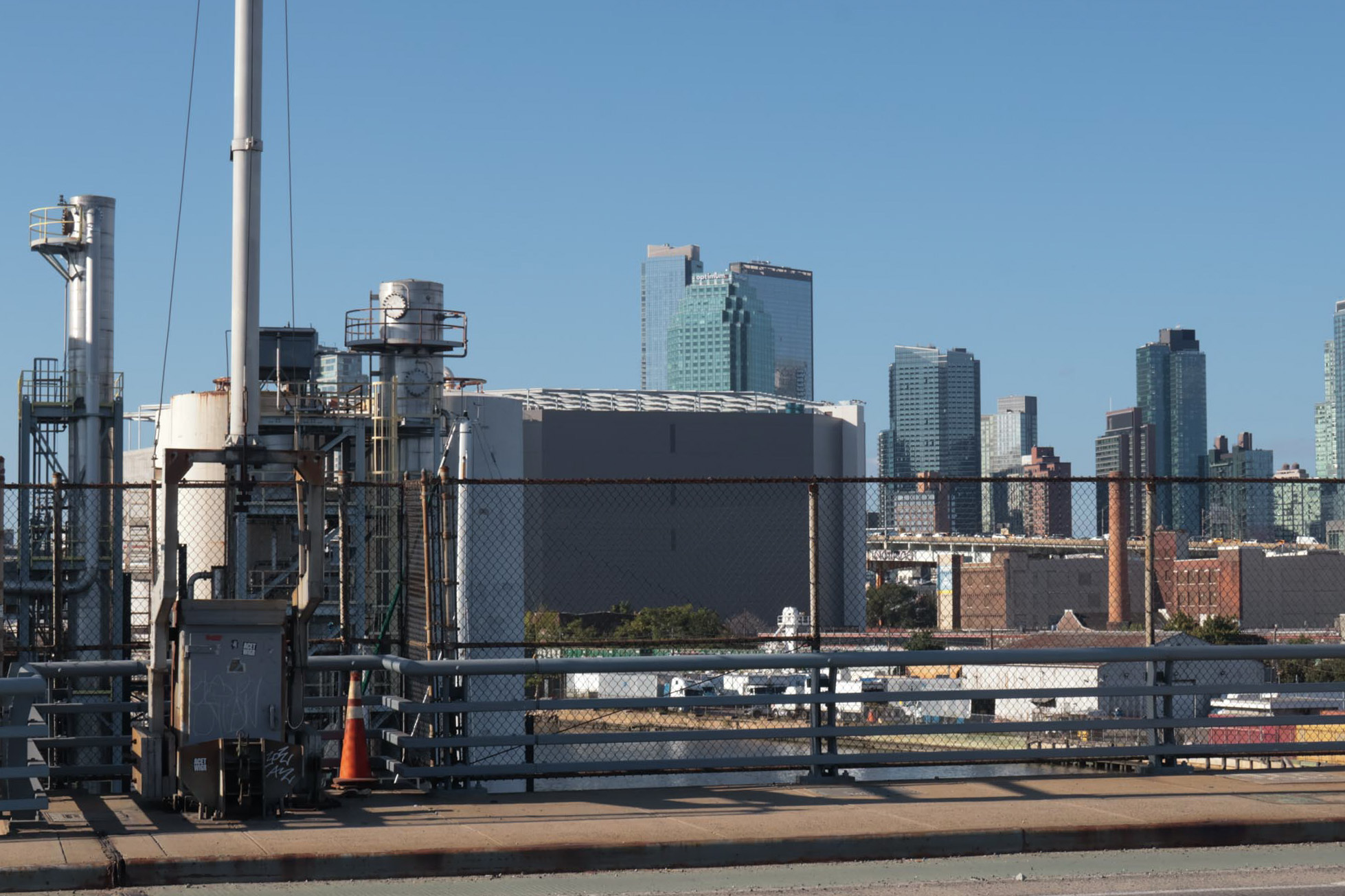
In addition, neighborhoods surrounding Newtown Creek are in a 100-year floodplain, meaning that there is a 1% chance of a major flood happening in any given year, which could spread the creek’s contamination and make its water more polluted. Rising sea levels, more intense rainfall, and population growth all increase the likelihood of flooding and sewage overflows, spreading contamination further. During heavy systems, the city’s combined sewer system often exceeds capacity, sending 1.2 billion gallons of untreated sewage and street runoff into the creek each year (according to the Department of Environmental Protection).
While the city has built and upgraded its wastewater treatment facilities, there are still parts of the 19th century system in place. The DEP plans to address the issue by building an underground tunnel that would stretch 3.26 miles to reroute and store sewage runoff so it can be later treated at the Newtown Creek Wastewater Treatment Plant in Greenpoint. Which is going to cost about 3.3 billion dollars with the tunnel project being completed in 2040. Yet even with that upgrade that could store up to 50 million gallons of sewage, an estimated 350 million gallons of untreated sewage will still be added into the creek each year (DEP). Progress has been delayed because of a study that found 8 of the 43 locations were potentially seeping contaminated groundwater from 2021 to 2023 into the creek.