Case File 008 — Interactive Video / Motion Editing
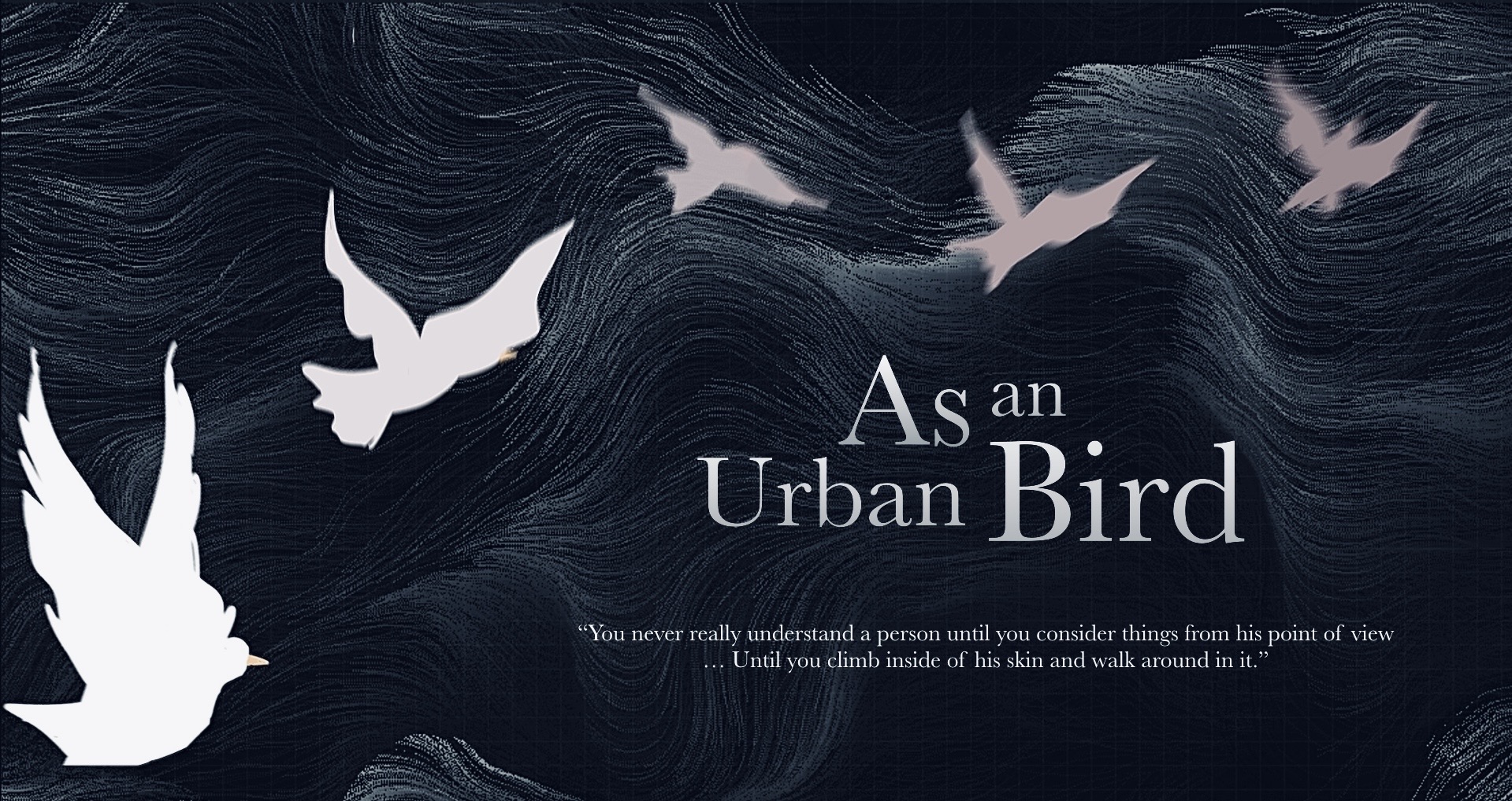
As an Urban Bird
An interactive video that drops viewers into the perspective of a bird navigating the hazards of a city, one branching choice at a time.
01 — Overview
About the project
Bird-window collisions occur when birds mistake transparent or reflective glass for open space. Reflections of trees and sky can make windows appear safe to fly through, turning an ordinary part of the urban environment into a largely invisible threat.
In 2019, Safe Wings documented 3,322 window collisions involving 110 bird species. Nearly 70% of the recorded birds were found dead, while others were injured, captured alive, or identified only through marks left on the glass. Although simple window markers can help prevent collisions, the issue often receives little public attention.
As an Urban Bird is an interactive video that invites viewers to experience the city from a bird's perspective. Rather than only explaining the problem, the project places the audience inside a branching journey where their own choices determine what the bird encounters next.
02 — Designing the Experience
Designing an experience from the bird's perspective
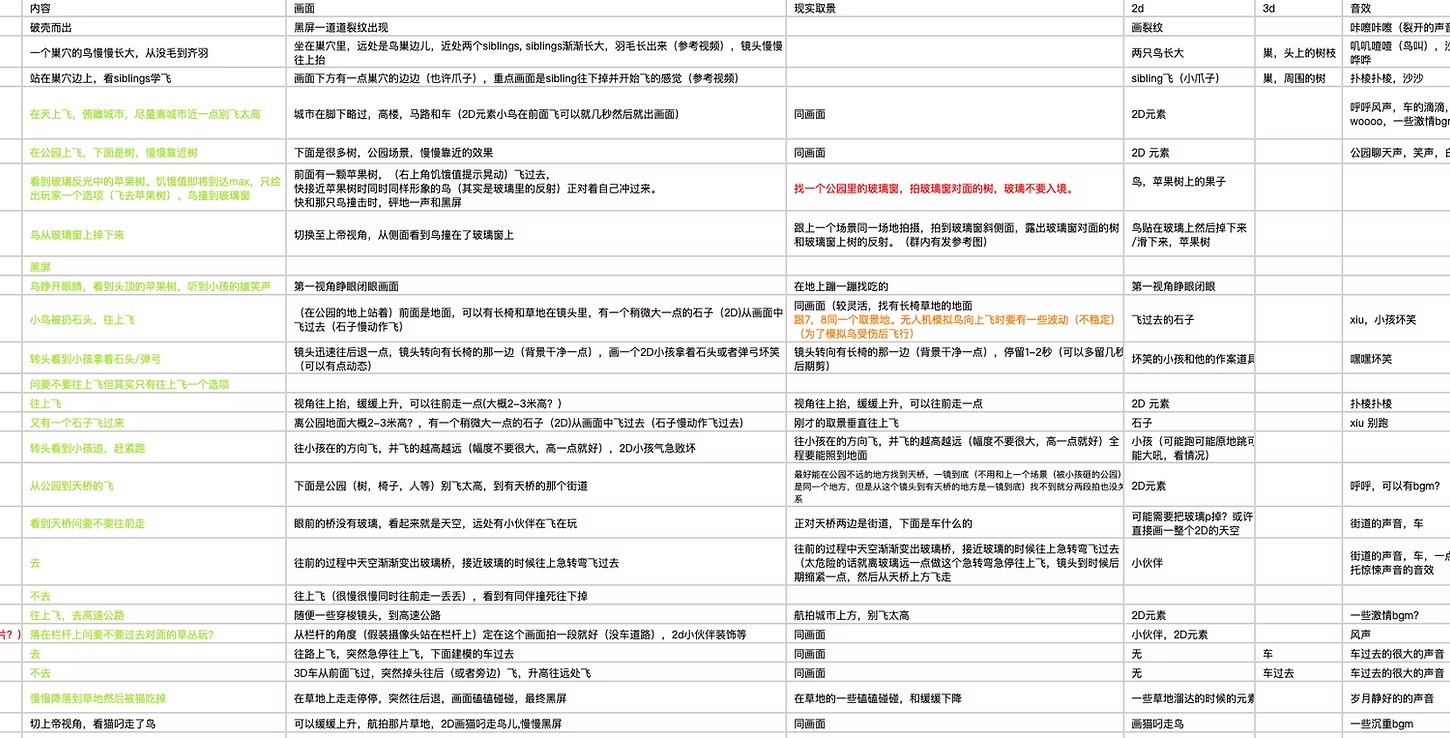
Our team began by dividing the bird's journey into scenes and mapping out the choices that would connect them. The experience combined:
- Illustrated birds and animated elements
- Recorded urban environments
- Digitally constructed settings
- Music and environmental sound
- Multiple video paths based on viewer choices
Different team members created illustrations, filmed backgrounds, and built scenes that could not be captured in person. I collected these visual materials and assembled them into a single, consistent interactive experience. Because the project combined work from several people and formats, editing became essential to making the final video feel like one continuous world rather than a stitched-together set of clips.
03 — Building the Visual Narrative
Building the visual narrative
I was responsible for the full video-editing process, including:
- Organizing the team's footage and illustrations
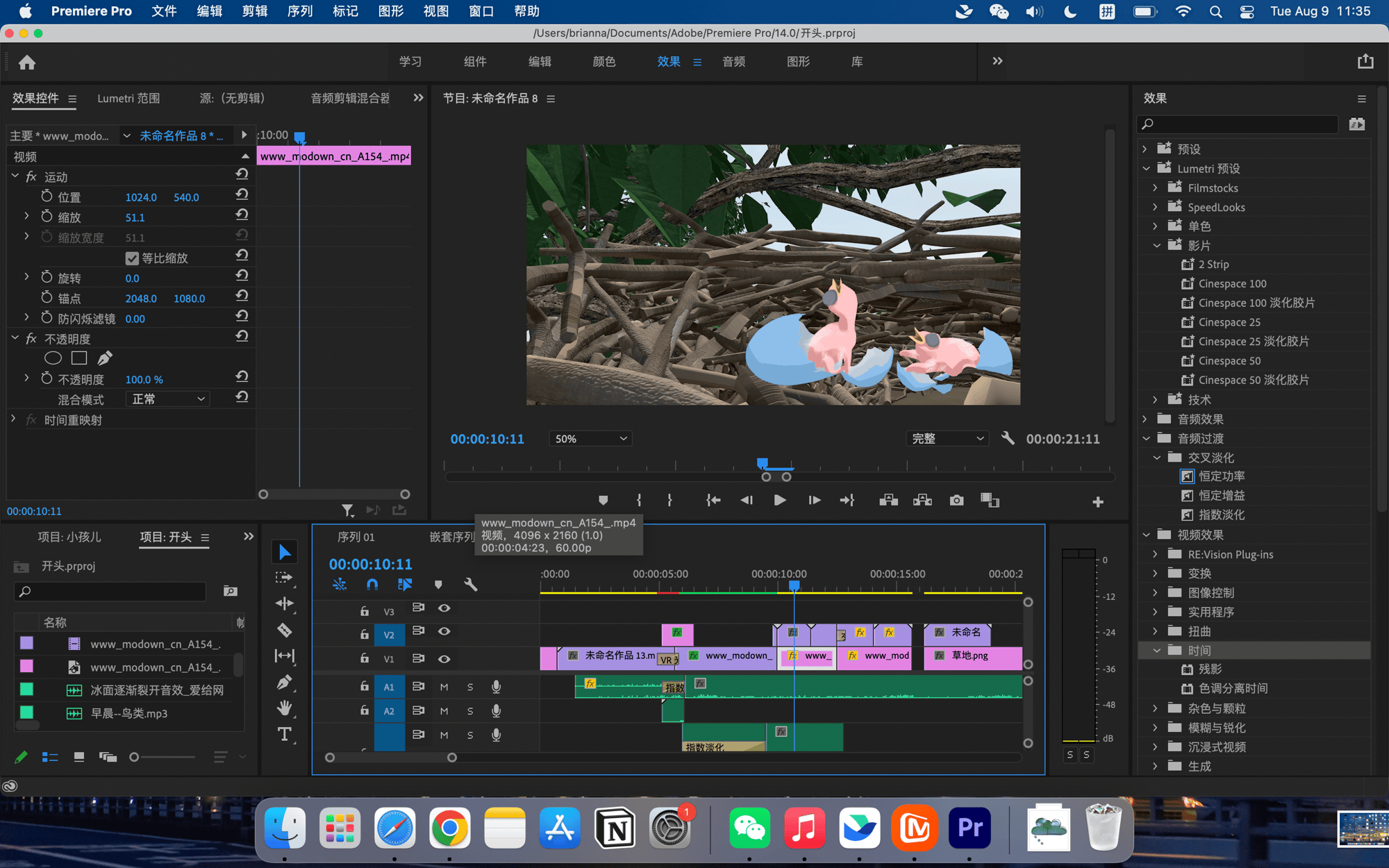
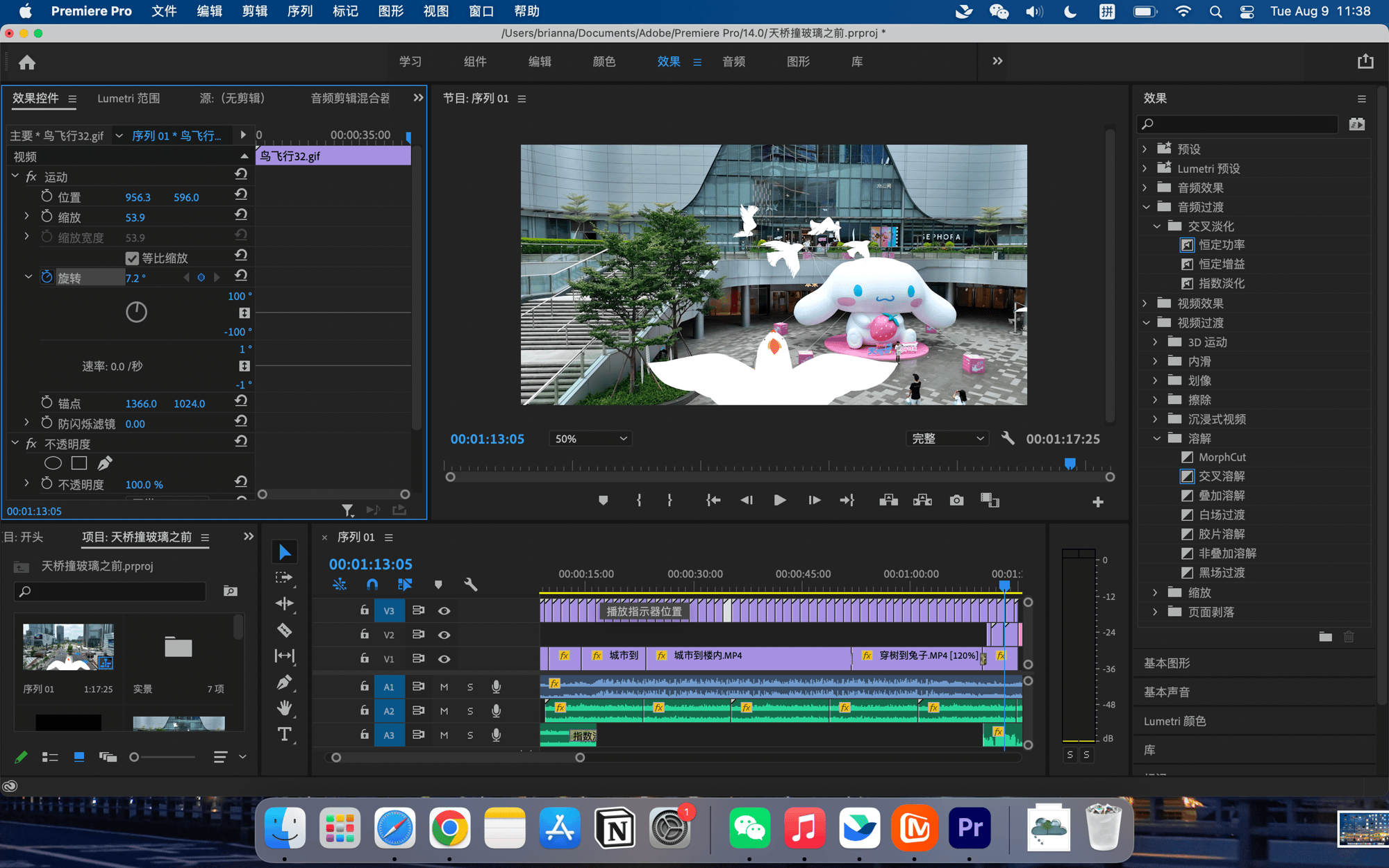
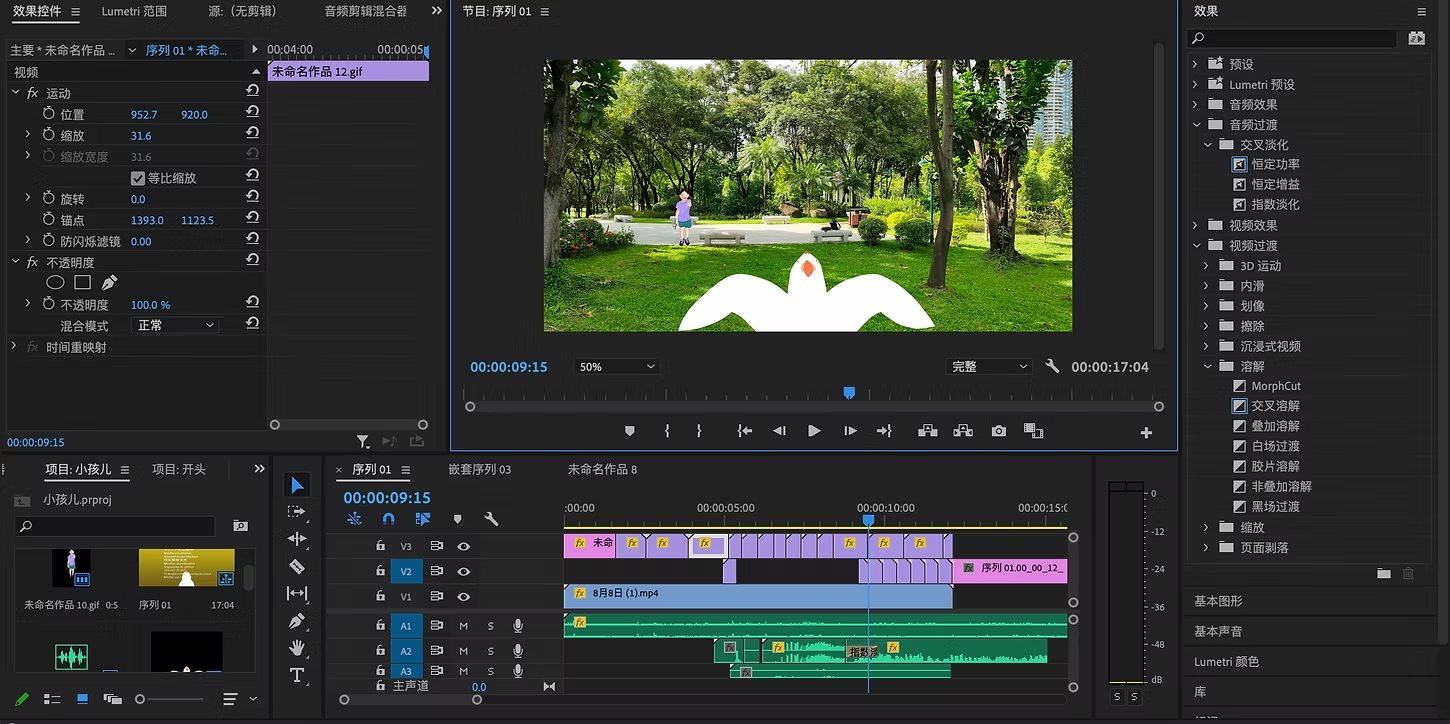
- Compositing animated birds into recorded environments
- Matching movement, scale, and timing across scenes
- Selecting background music and sound effects
- Creating transitions between choices
- Exporting and uploading the separate video paths
- Connecting clips into branching storylines
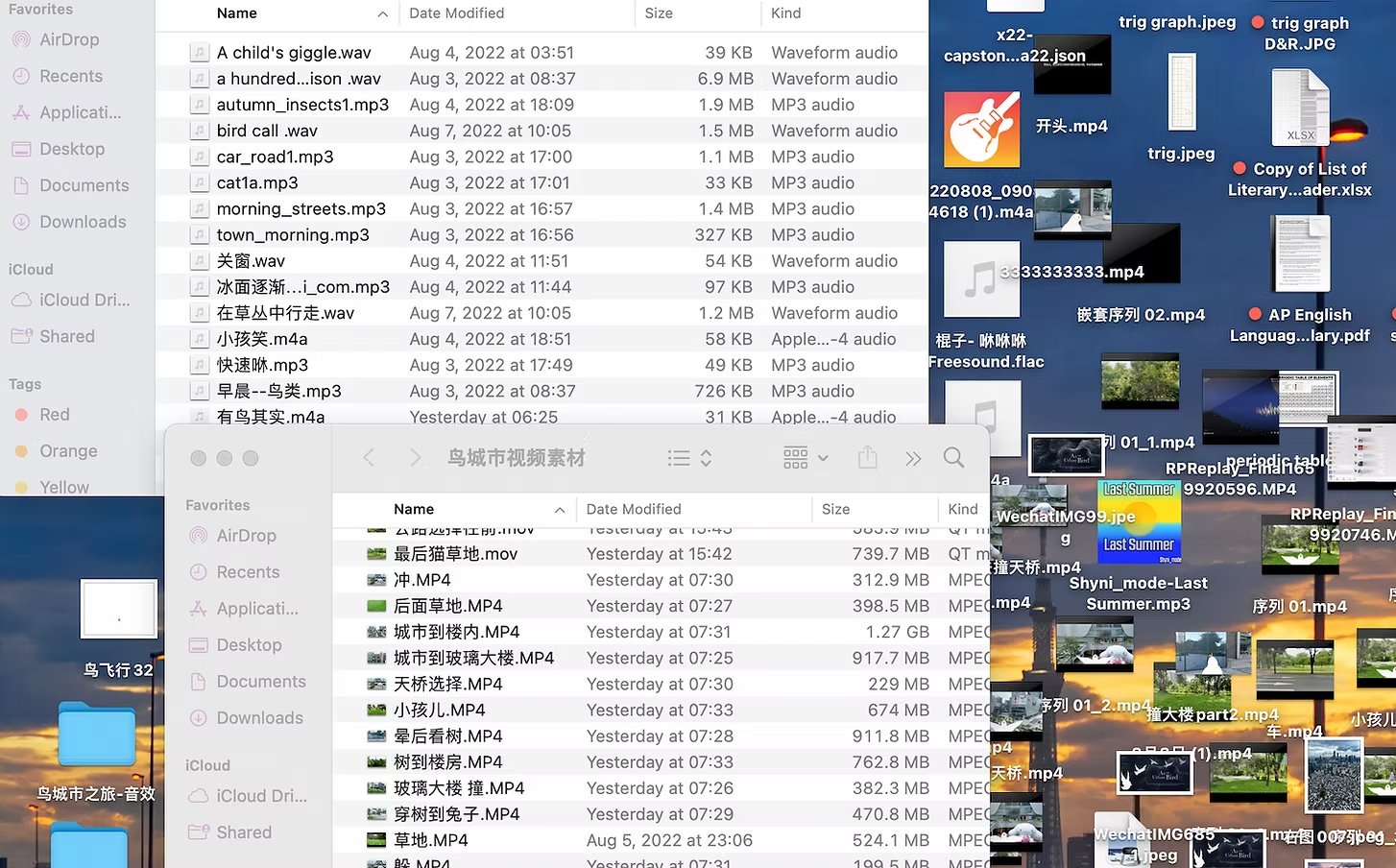
One of the main challenges was making the illustrated elements feel connected to the real environments. The bird needed to appear as though it was moving through the filmed space rather than sitting on top of it. I adjusted the timing, placement, and scale of each animation to respond to the background footage. Music and sound effects then helped connect scenes built by different team members, giving the bird's movement a stronger sense of pace and tension.
this is also the project where I taught myself Adobe Premiere Pro from scratch!! every keyframe & transition above, self-taught while piecing this one together
Scroll to see more →
04 — Turning Info into Participation
Turning information into participation
The project used interactivity to make the environmental issue feel more immediate. At different moments, viewers could choose where the bird would fly next. Each decision opened another uploaded video and continued the journey down a different path.
That branching structure was also the biggest reason the editing itself was so much harder than a normal, single-line video. Every choice point meant cutting the story into pieces instead of working down one continuous timeline: each branch had to be trimmed, scored, and exported as its own standalone clip, while still matching the pacing, music, and visual logic of every other branch it could connect to. I had to hold the whole tree in my head at once: which scenes fed into which choices, which pieces of footage got reused across multiple paths, and whether a transition still felt seamless no matter which route a viewer had taken to arrive there.
This structure transformed the audience from passive viewers into participants. A reflective building or open-looking window was no longer presented only as a statistic; it became a decision within the bird's environment.
The branching format was also designed for a social platform, using multiple uploaded clips to create choices and storylines. This allowed the experience to reach viewers through a familiar medium while asking them to interact with it in an unfamiliar way.
05 — Reflection
Reflection
As an Urban Bird showed me how editing can shape more than the pacing of a single video. In this project, editing also determined how viewers moved through the story, where choices appeared, and how separate visual materials from different teammates became one interactive environment.
The project could be strengthened with clearer choice prompts, more varied consequences, and additional context at the end explaining how viewers can make windows safer for birds. A future version could also be developed as a browser-based experience, allowing the transitions between paths to feel more seamless and providing space for resources alongside the story.
At the program's final gallery walk, As an Urban Bird received awards for Best Interaction, Best Visuals, and Most Popular Project in the creation track.
The strongest outcome was its ability to turn an overlooked urban hazard into a personal experience. By asking viewers to navigate the city as a bird, the project made the consequences of reflective glass easier to see, and harder to ignore.