Case File 011 — Ethnographic Research
Inside the Adoption Event
An ethnographic study of how volunteers, adopters, animals, and public space shape the experience of a mobile adoption event.
01 — Overview
About the project
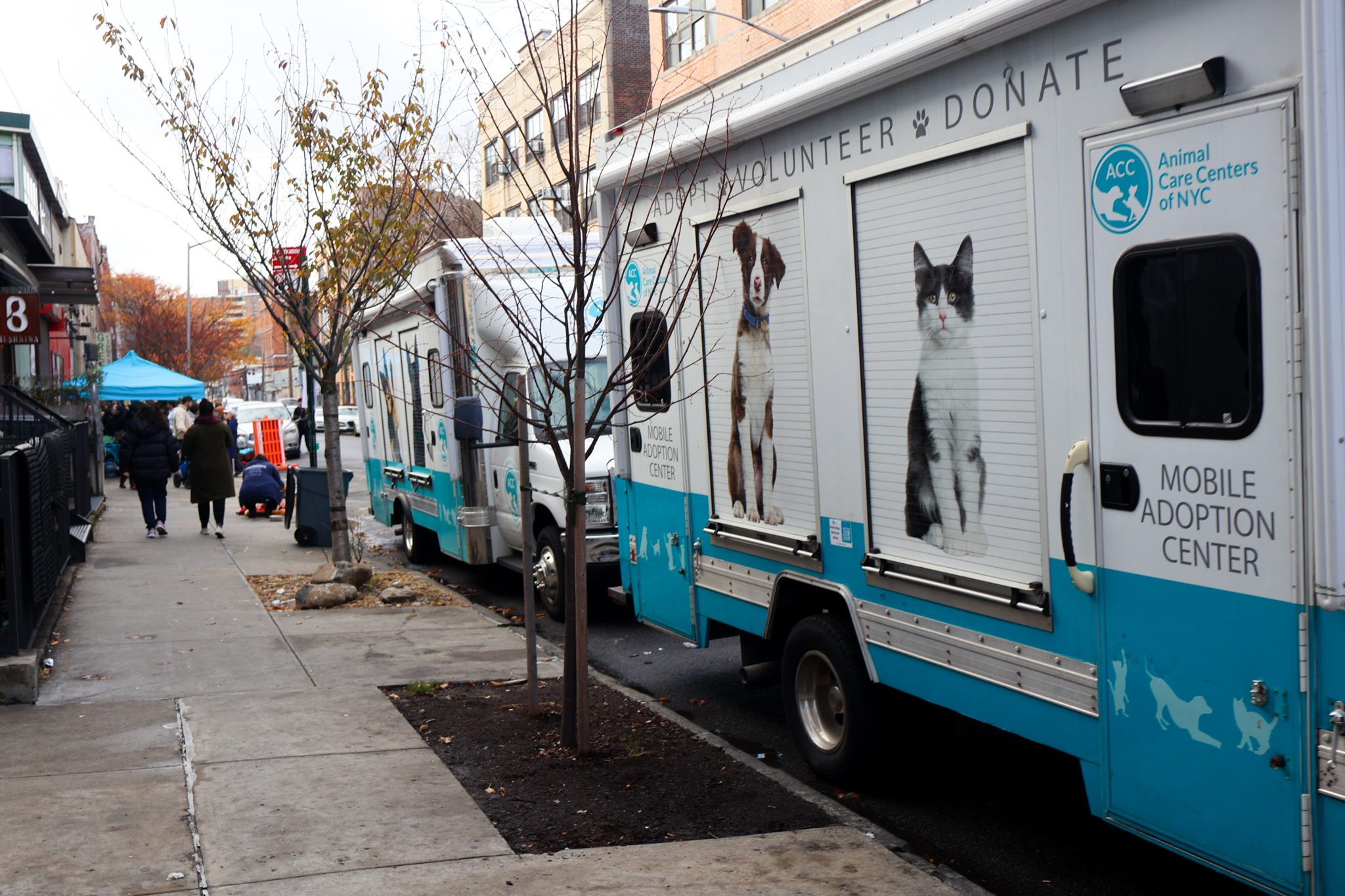
Inside the Adoption Event examined pop-up adoption events organized by Animal Care Centers of NYC, the city's main open-intake animal shelter organization.
Unlike traditional shelter visits, these events bring adoptable animals into casual public settings where visitors can browse, interact with them, and begin the adoption process without an appointment.
Through field observations, volunteer interviews, informal conversations, and visual documentation, our group explored how these temporary spaces are organized and how emotional, institutional, and social dynamics shape adoption.
02 — Fieldwork
Following the research
Our initial questions focused on how the events worked and how people selected animals. As the fieldwork continued, our attention shifted toward the volunteers who made these interactions possible.
We observed how volunteers:
- Introduced animals and explained their behavior
- Guided adopters through policies and paperwork
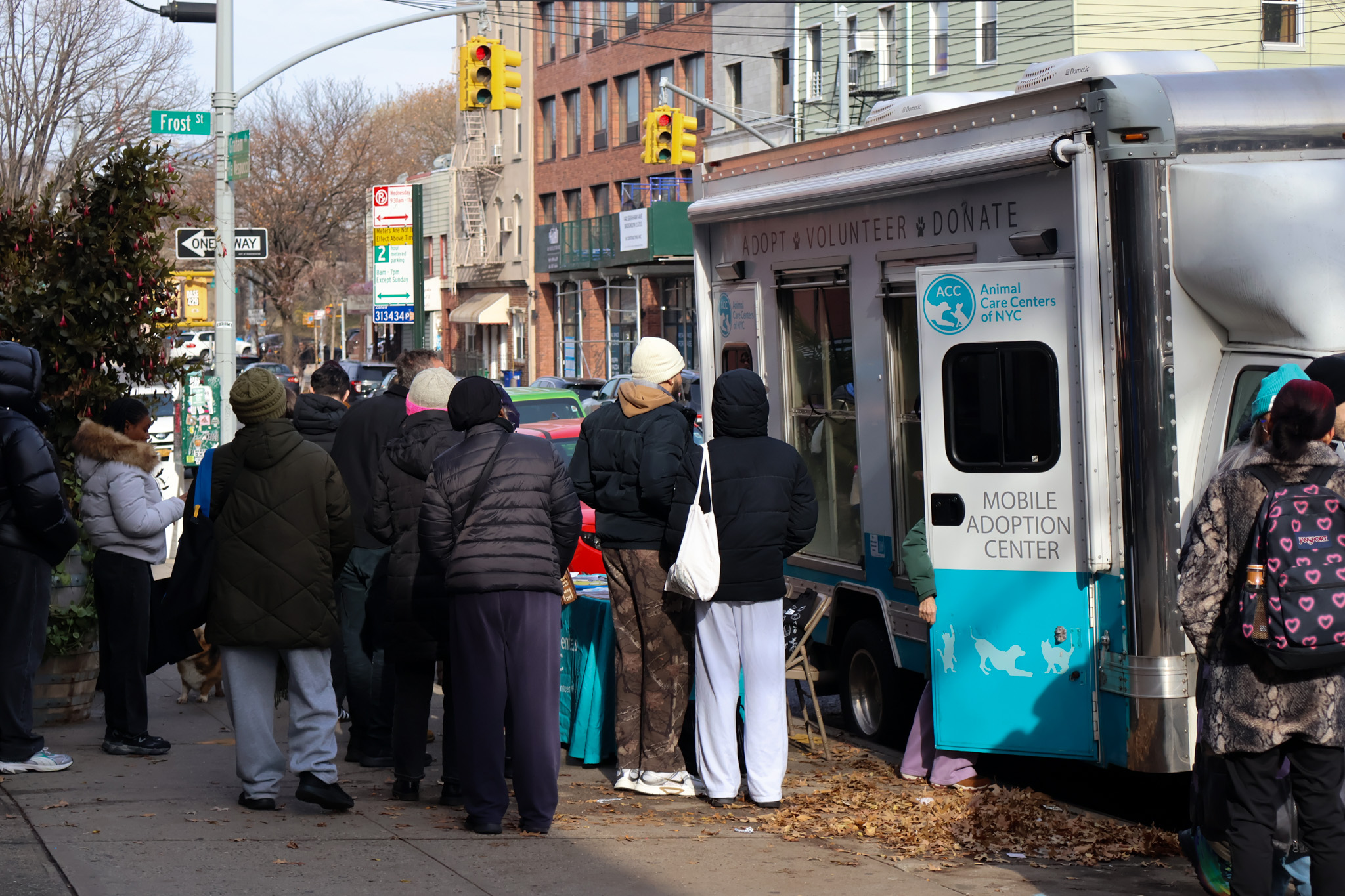
- Managed lines, crowds, and limited time
- Balanced emotional attachment with institutional responsibility
- Helped visitors evaluate compatibility and care needs
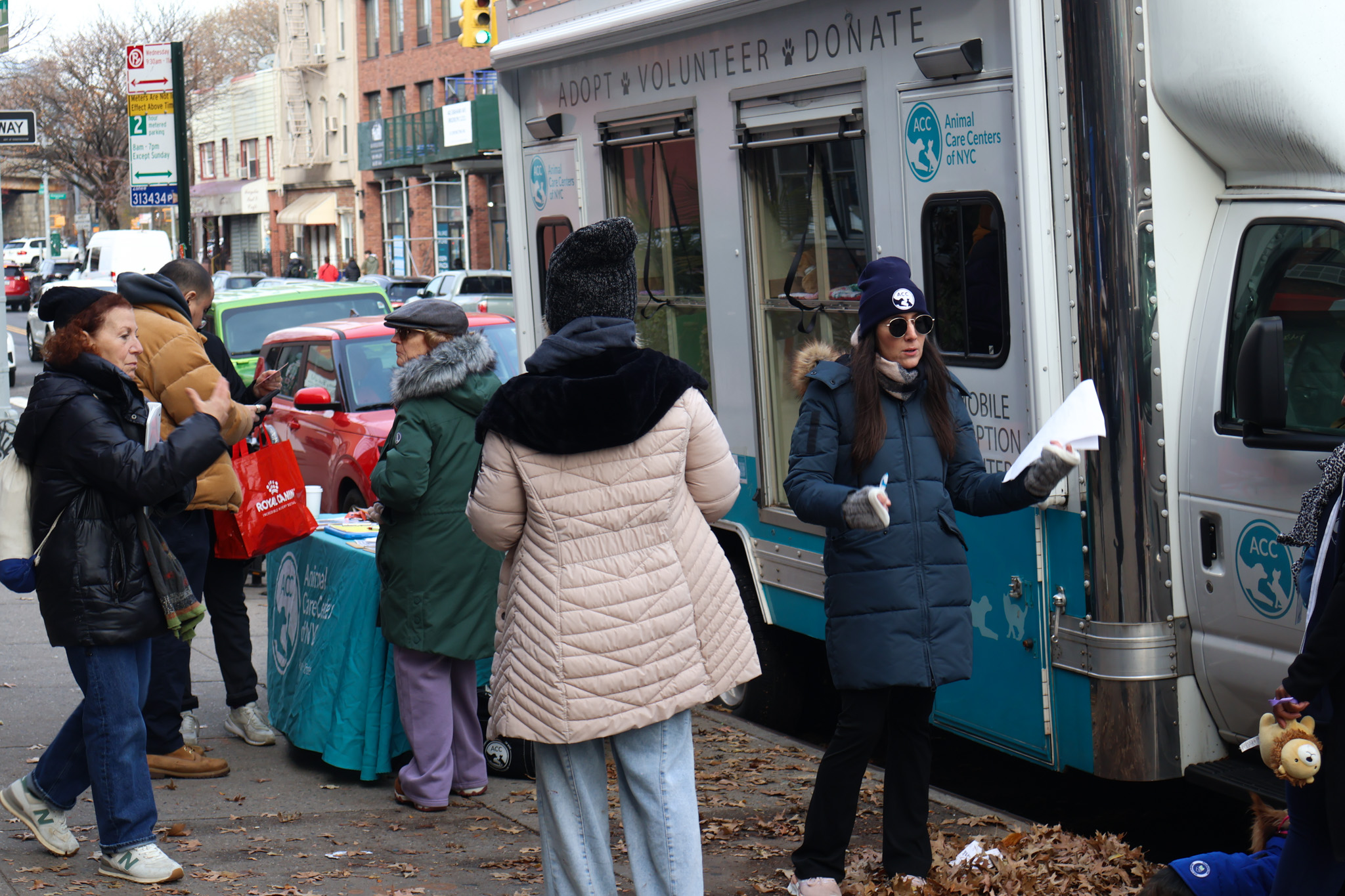
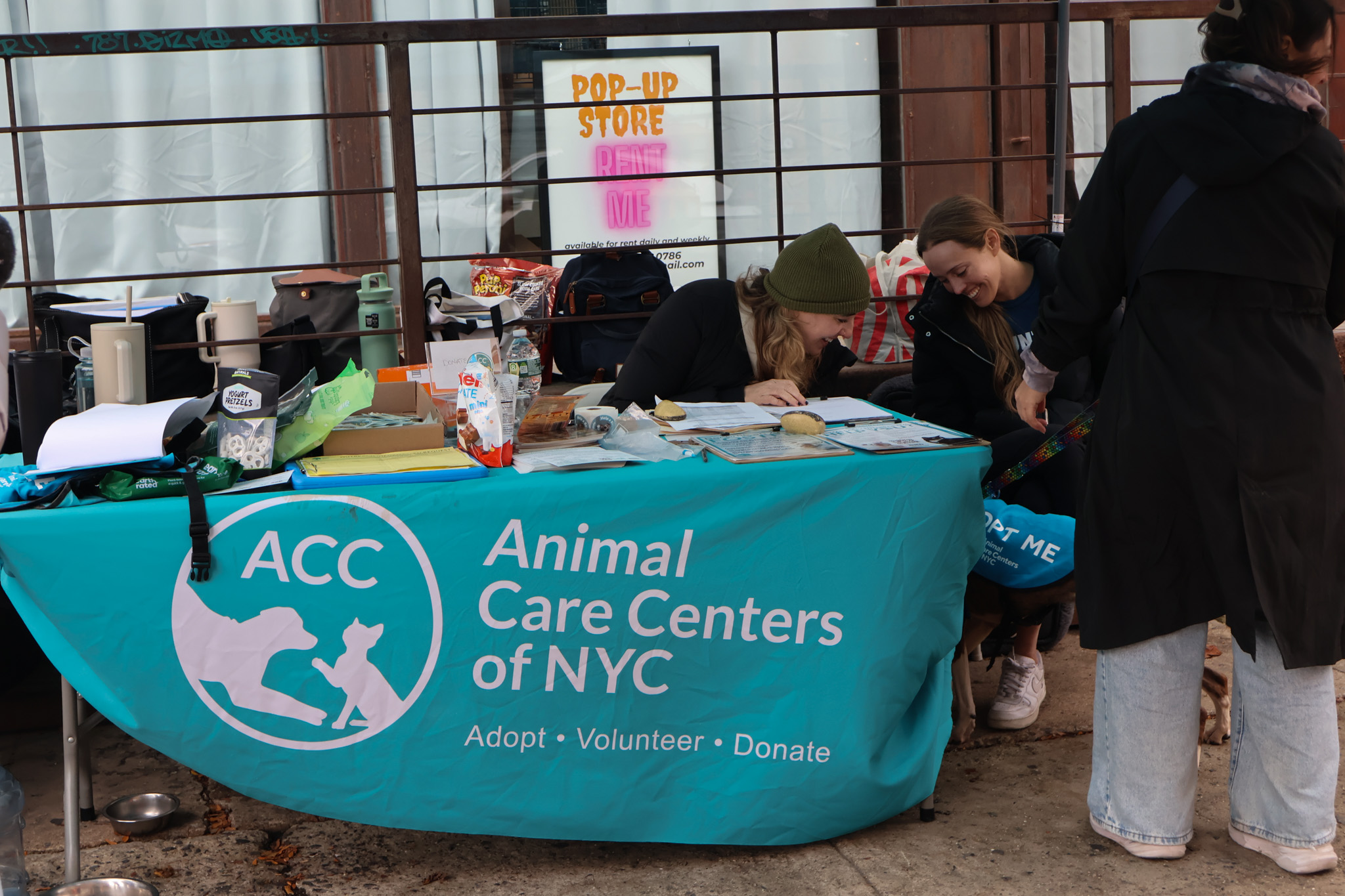
The events turned adoption into a public and collective process. Visitors watched one another interact with animals, compared options, and sometimes negotiated around animals that several people wanted to adopt.
Scarcity also shaped the experience. Certain animals were adopted quickly, encouraging visitors to arrive early and make emotionally significant decisions within a limited period.
03 — Community
A community built through care
Our interviews revealed that volunteers served as both informational guides and emotional mediators.
Many began volunteering because they loved animals or wanted to spend time with them without becoming owners. Over time, that personal motivation developed into a deeper sense of responsibility toward the animals, adopters, and organization.
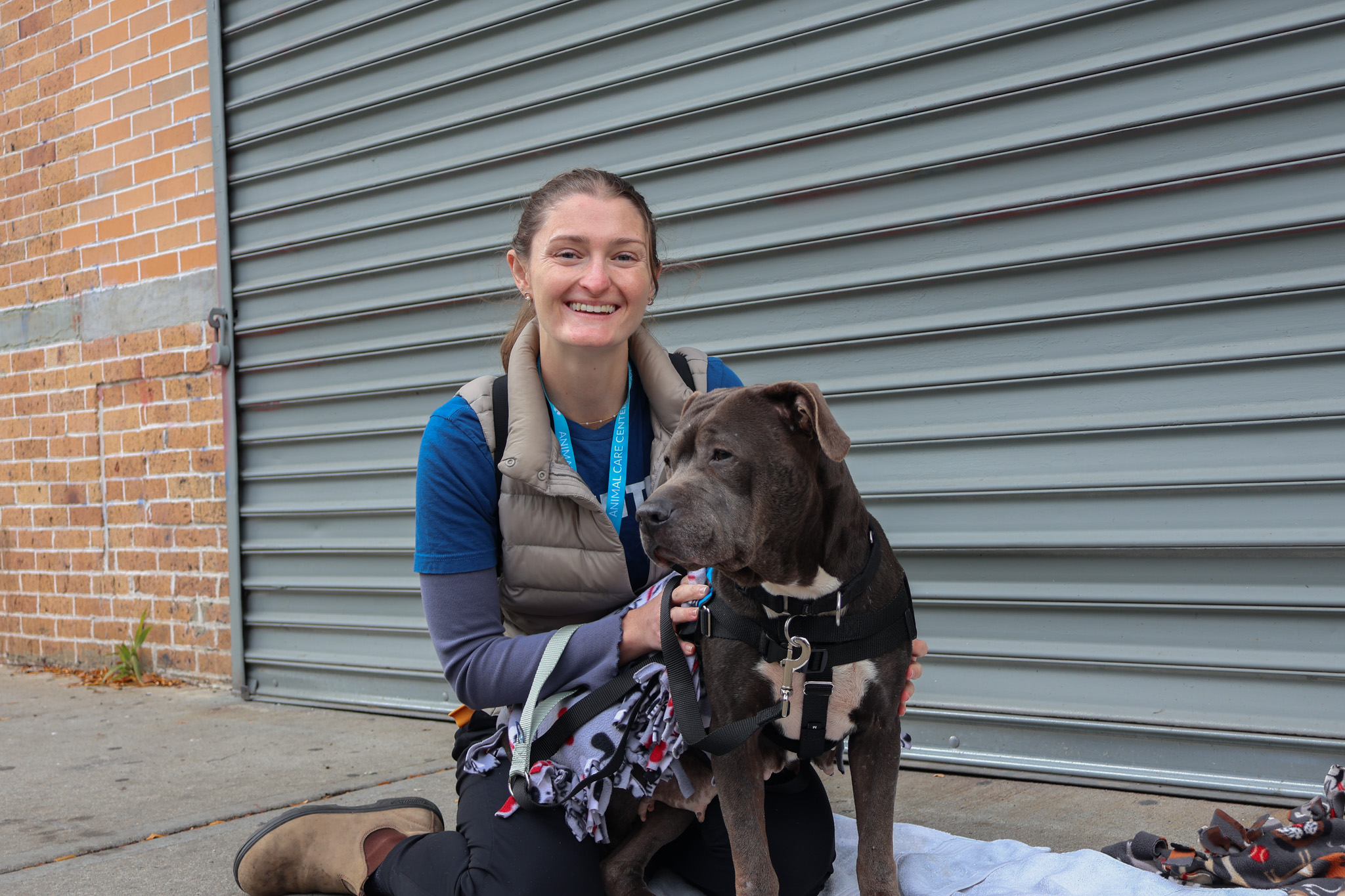
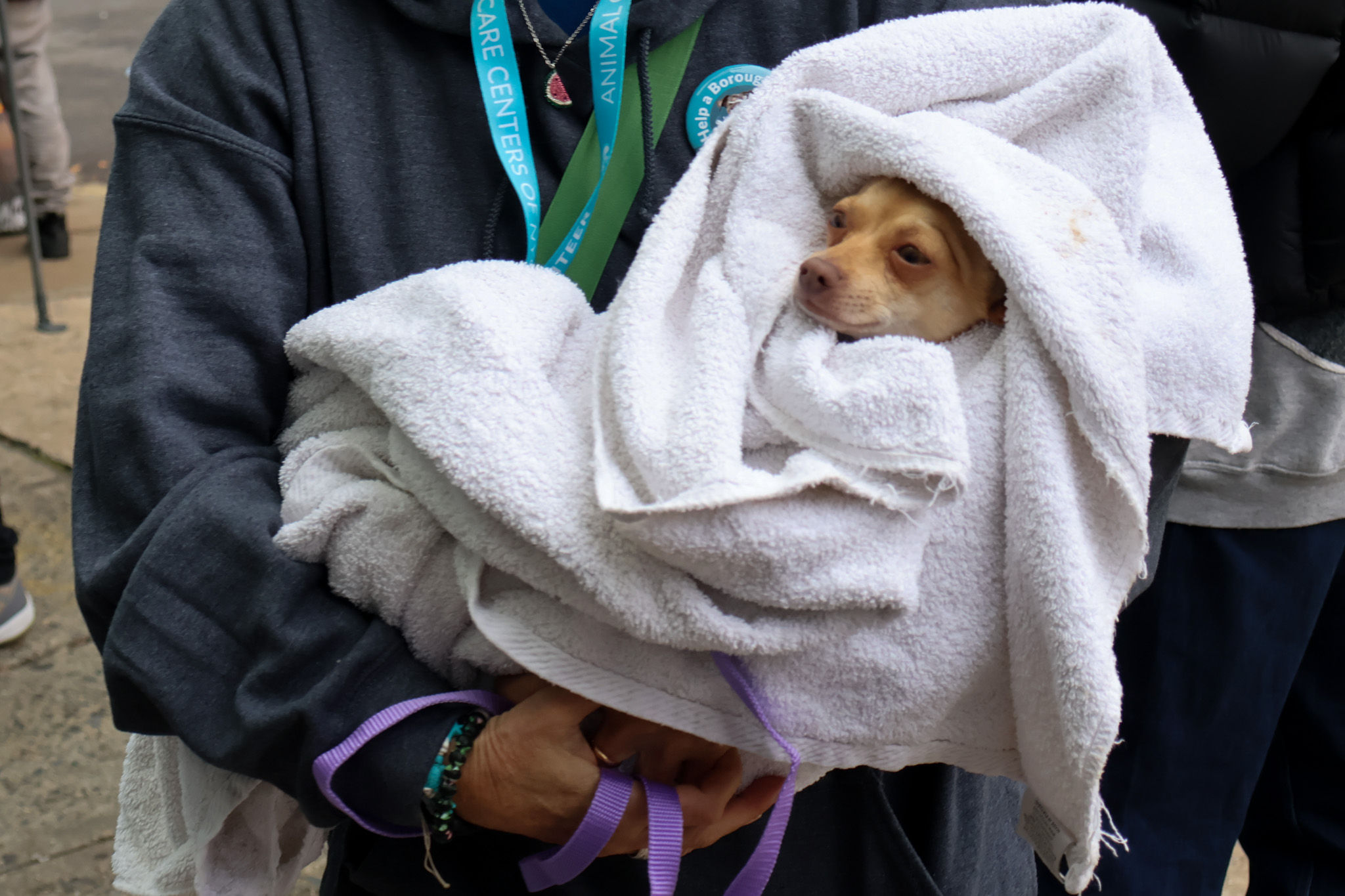
The public setting also changed how animals were encountered. Rather than meeting them inside an unfamiliar shelter, visitors could observe how they behaved in a lively, everyday environment.
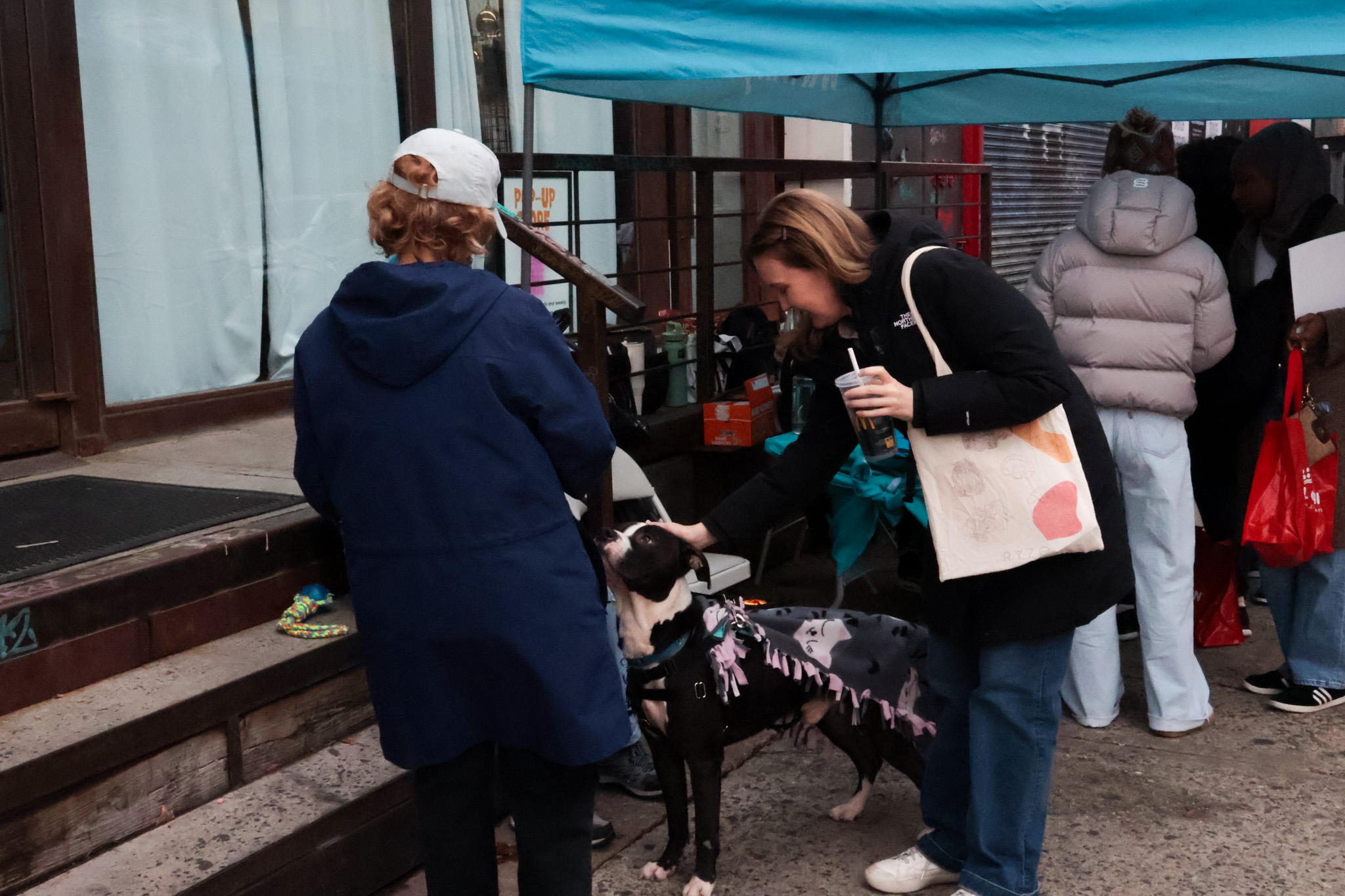
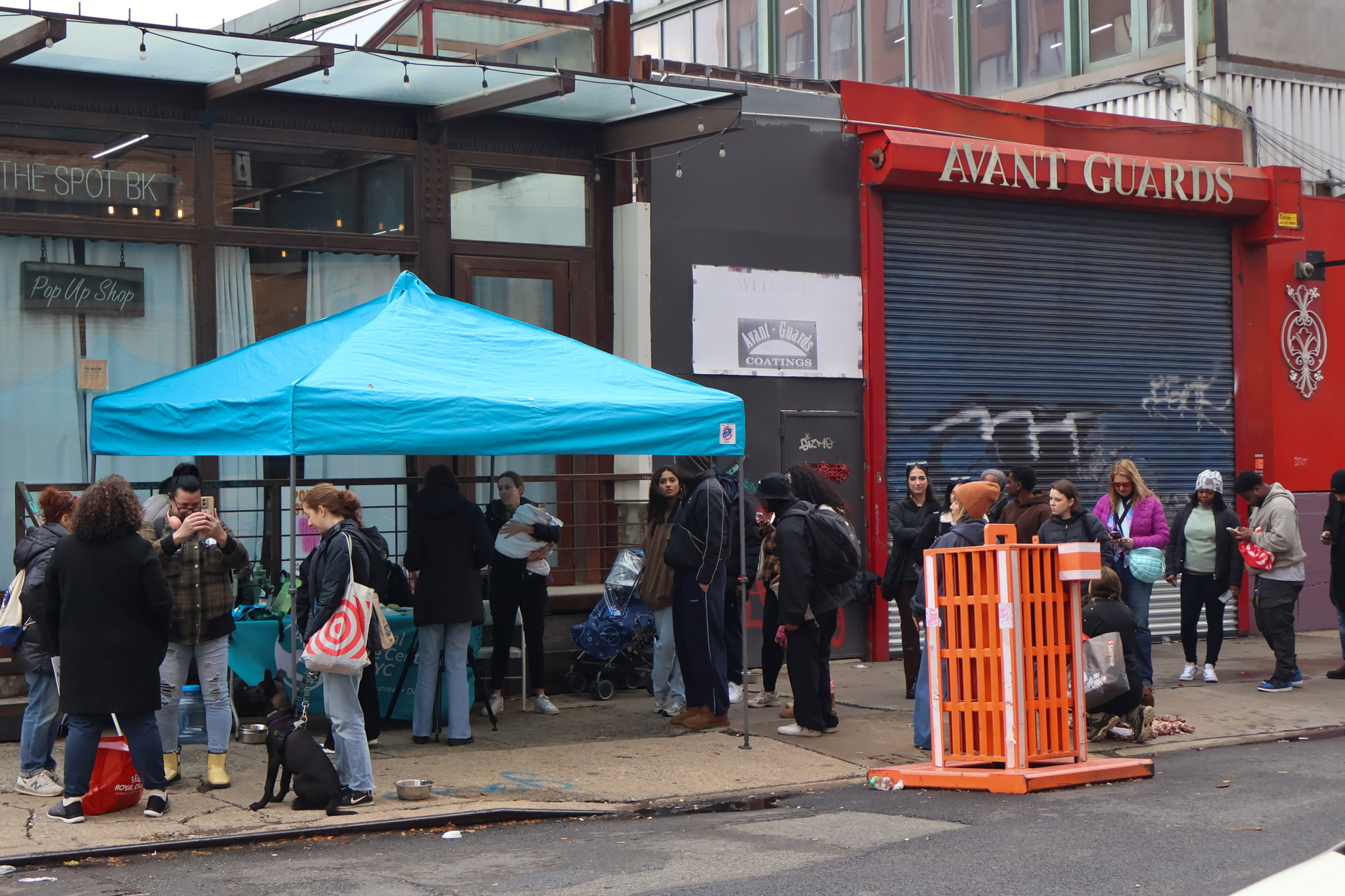
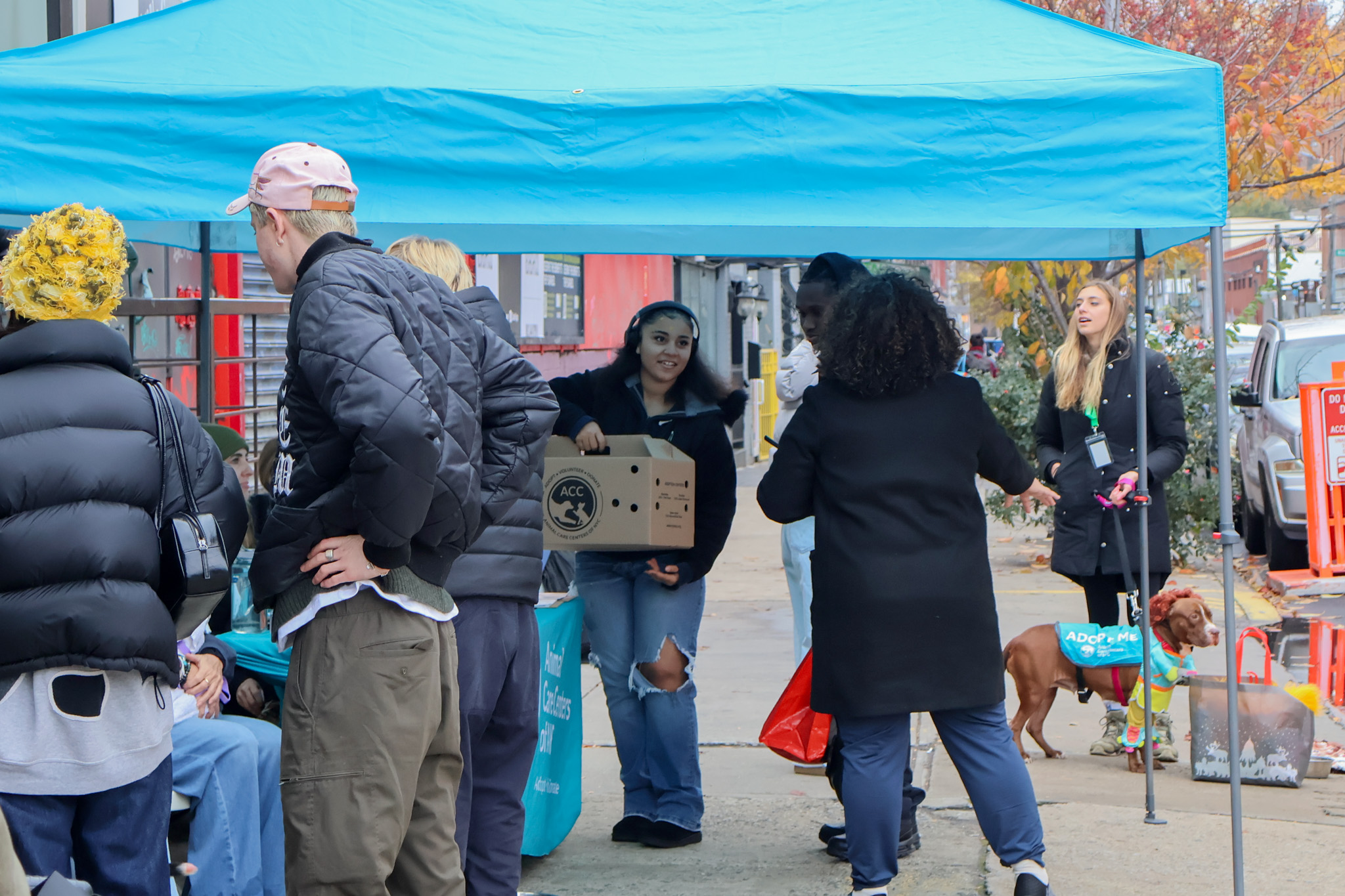
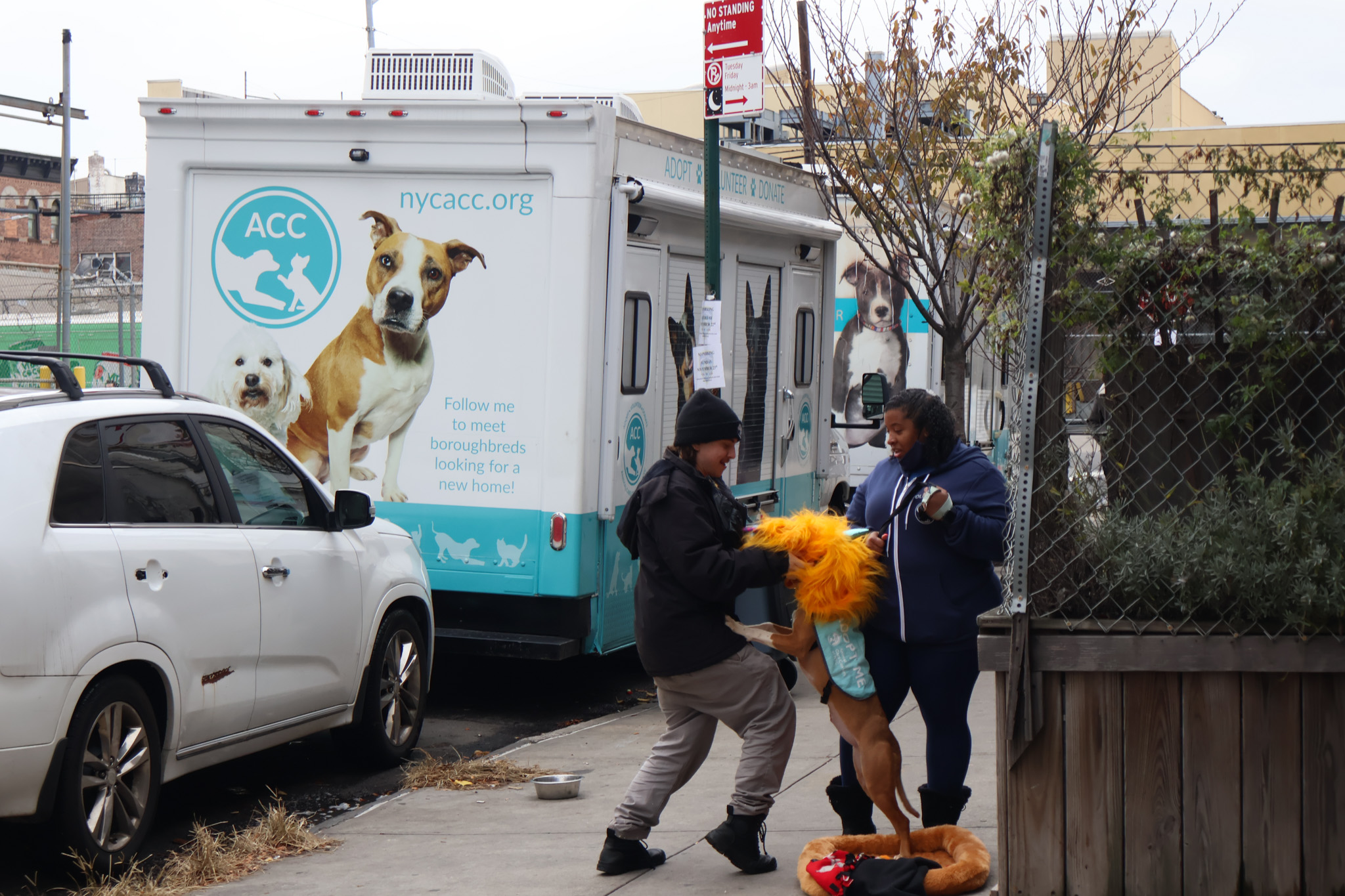
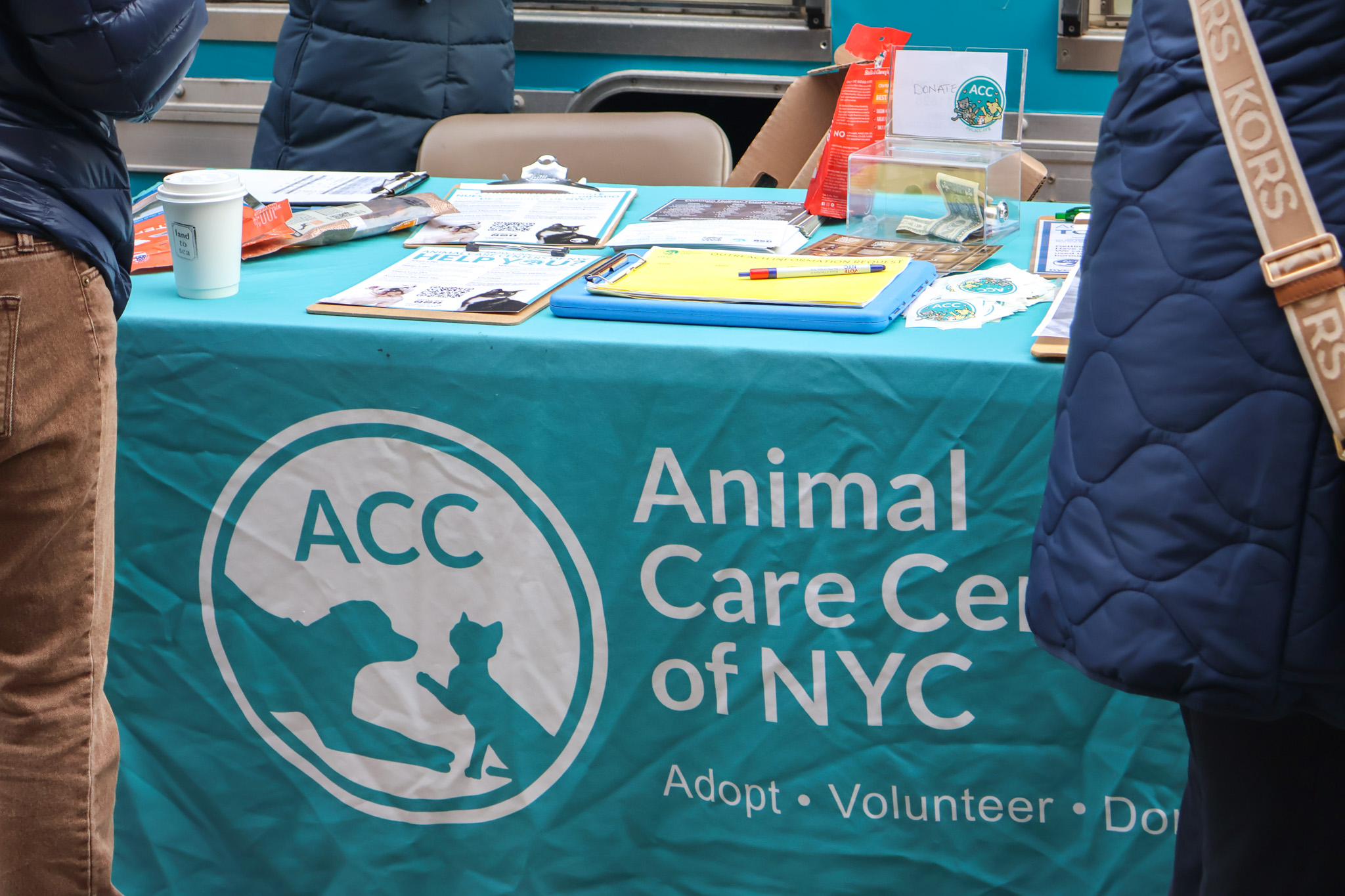
Together, the tents, signage, volunteers, paperwork, animals, and surrounding crowd transformed an ordinary sidewalk into a temporary community organized around care.
04 — Photography
Photographing the sidewalk
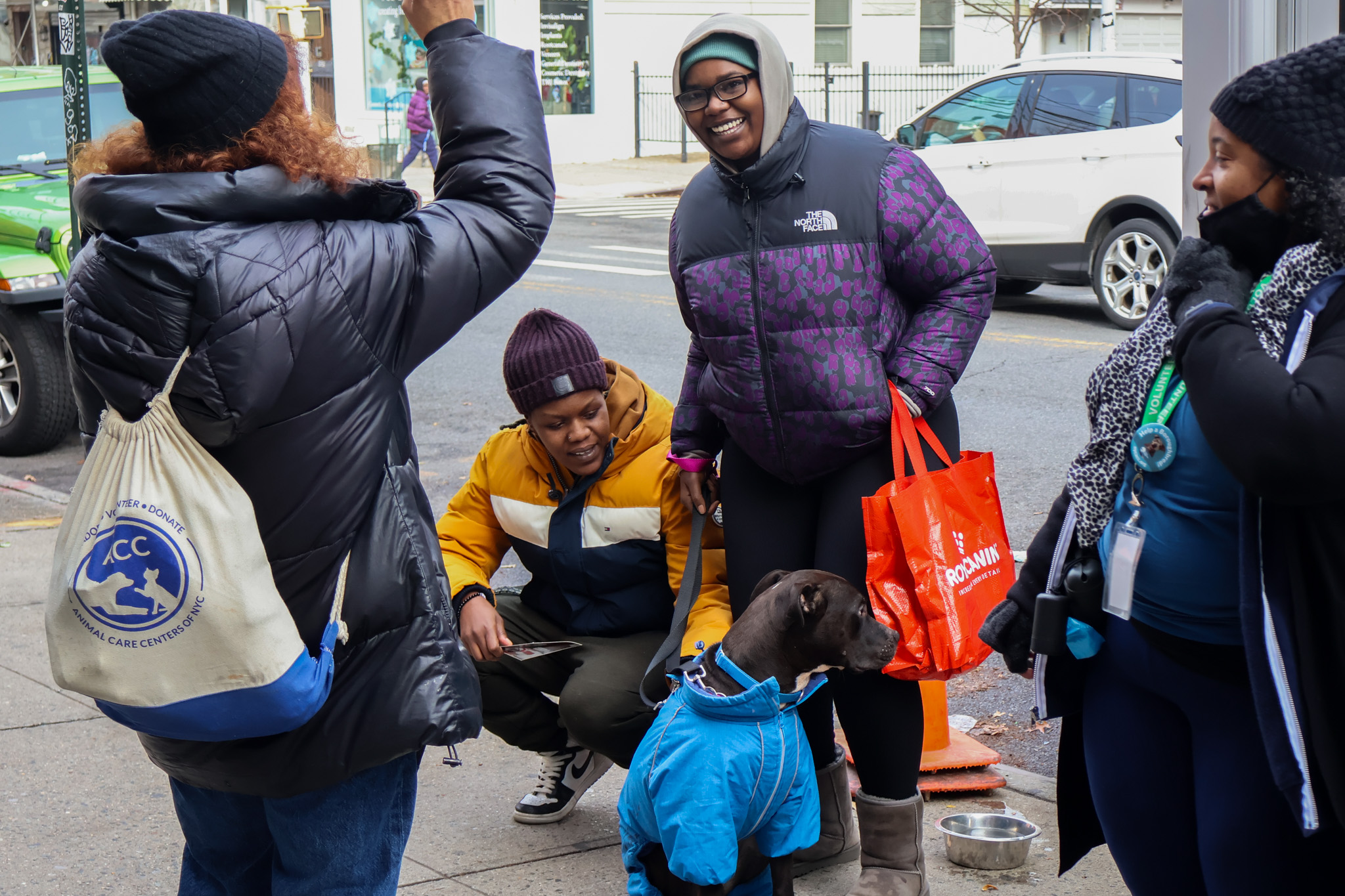
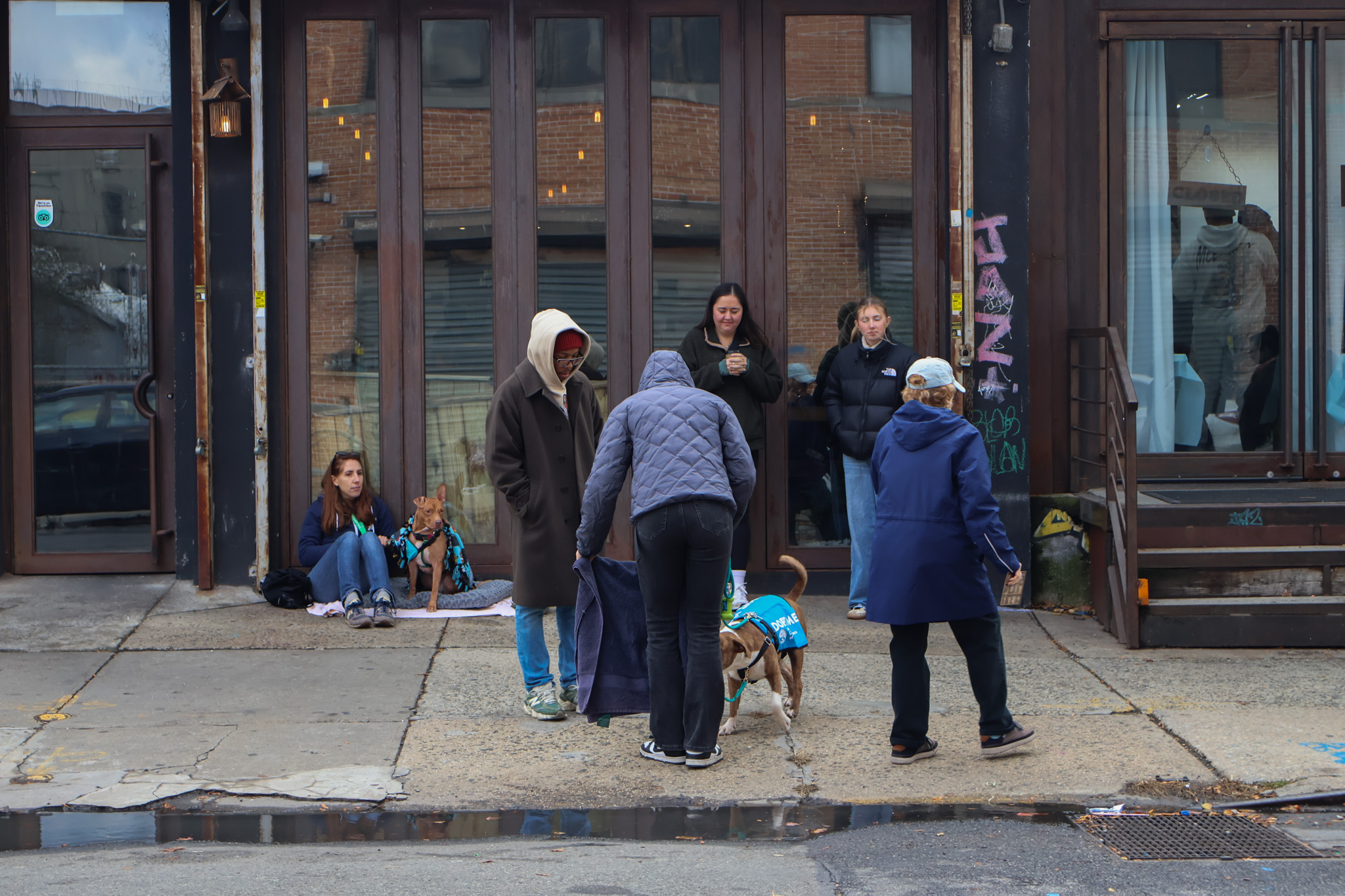
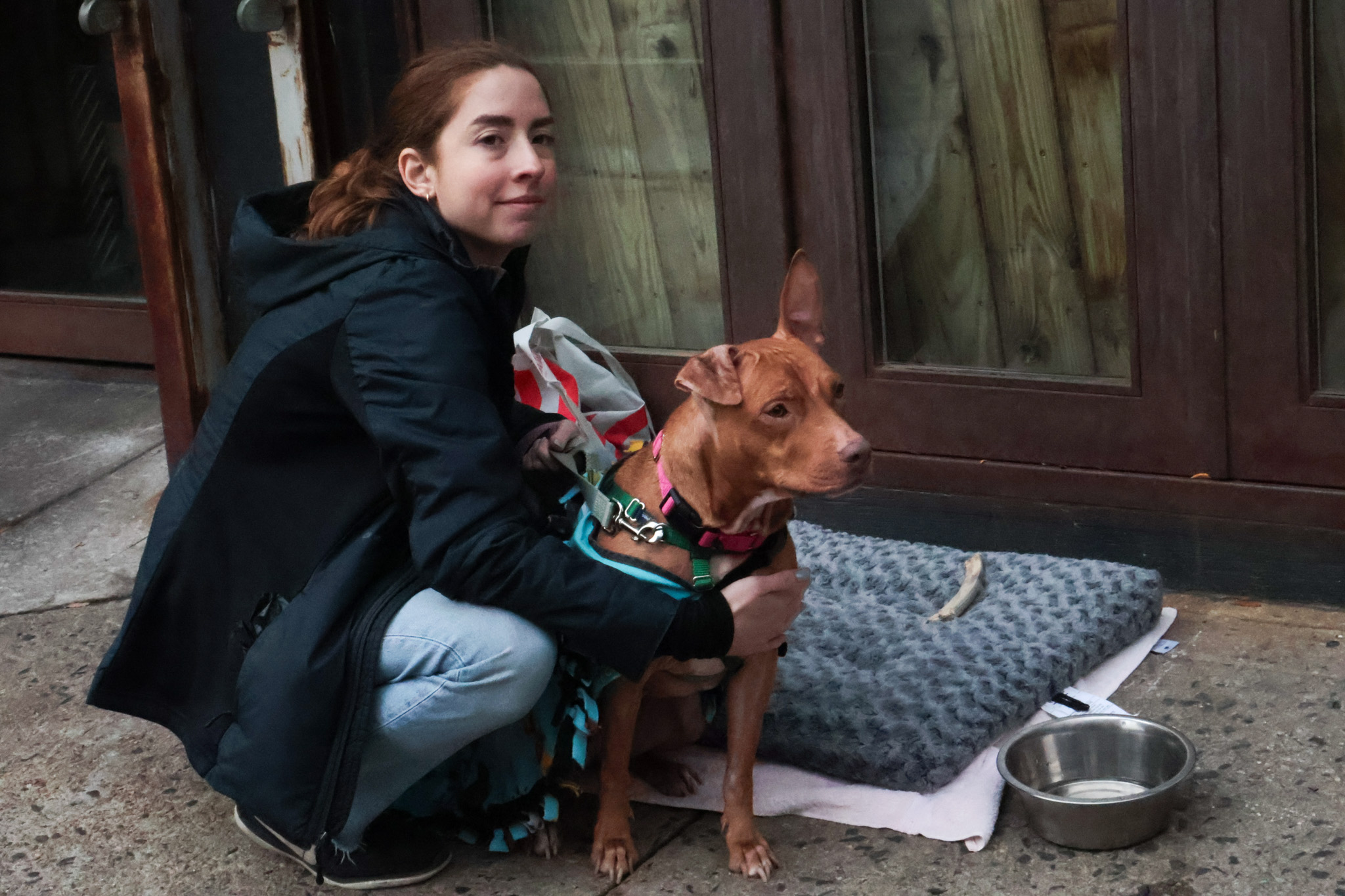
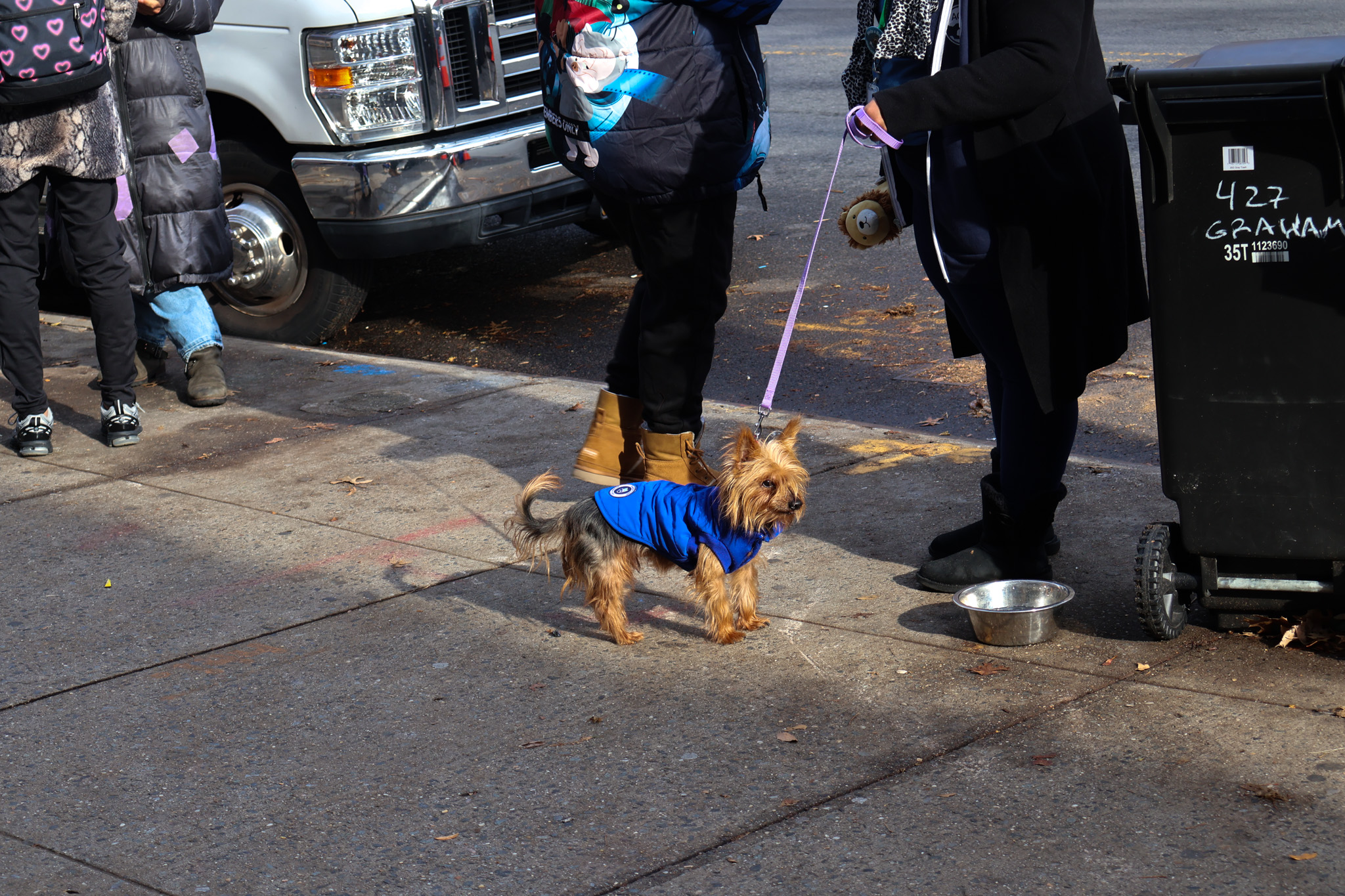
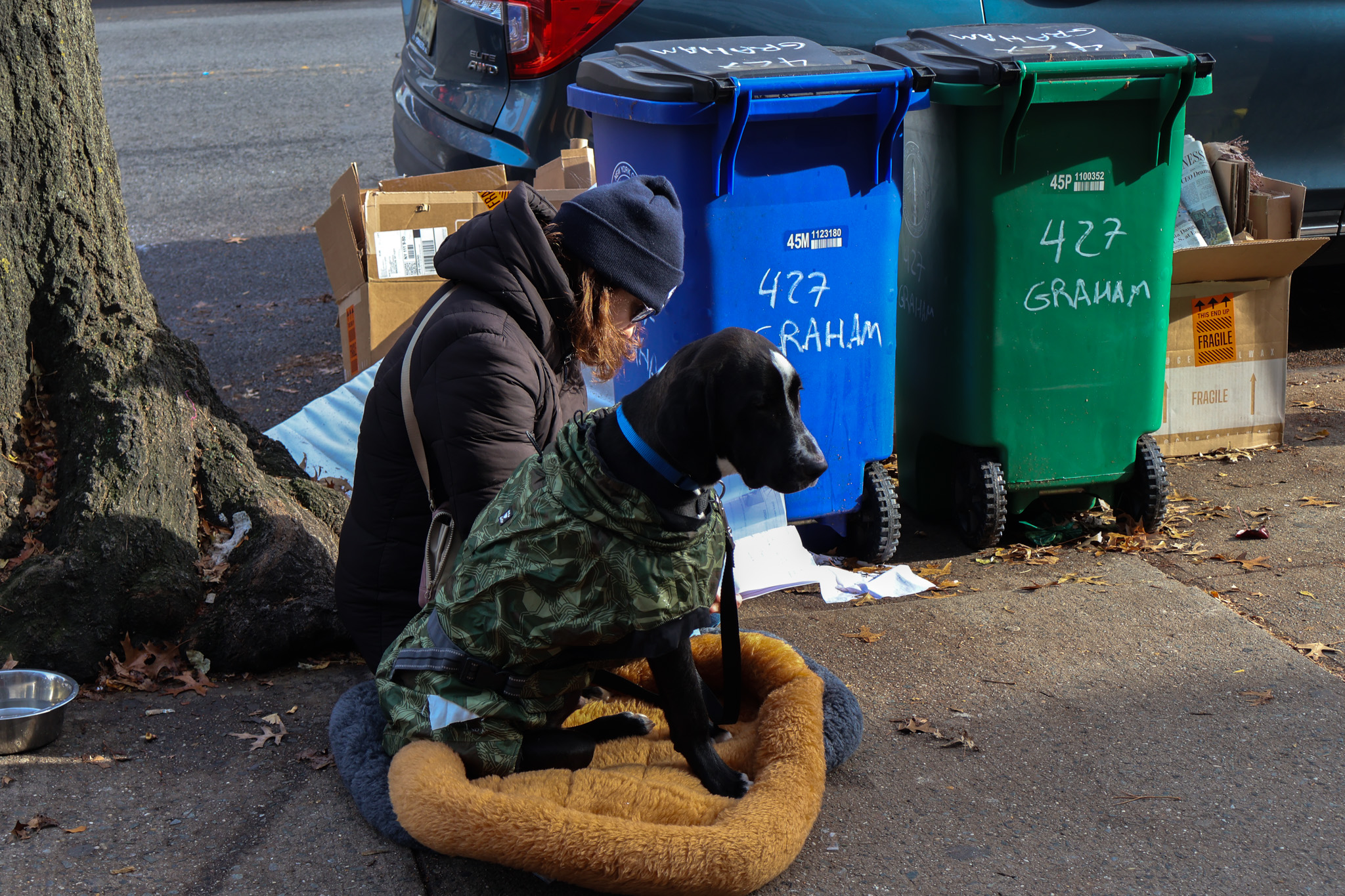
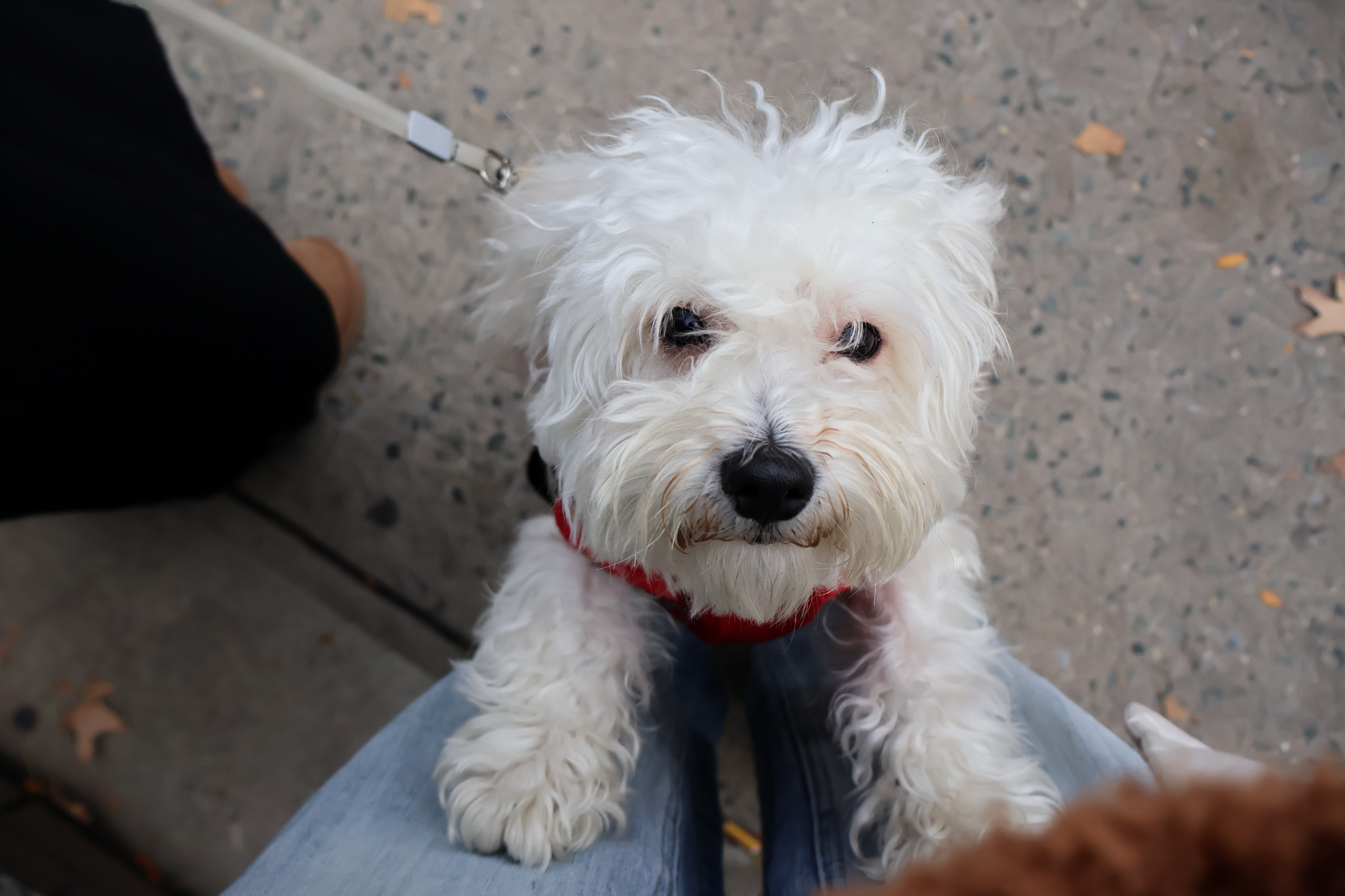
Alongside field notes and interviews, we documented the events visually — the volunteers, the animals, and the crowd that gathered around them.
Scroll to see more →
05 — Interviews
Talking with the volunteers
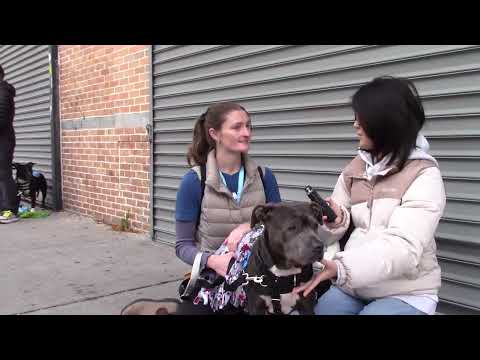
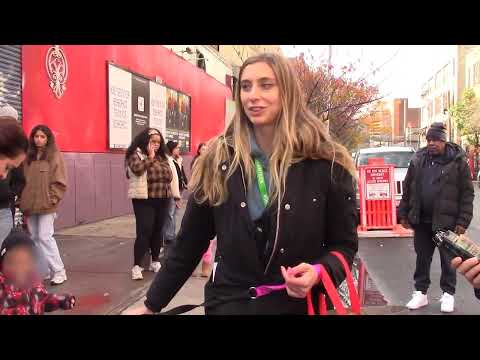
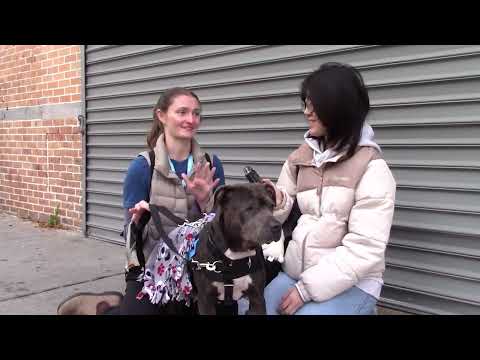
To go beyond what we could observe from the sidewalk, we sat down with Animal Care Centers of NYC volunteers to hear about their motivations, their daily responsibilities, and what the events look like from their side of the table.
06 — The Film
The final video
Our final project combined written ethnographic analysis with interviews, photographs, and a short documentary video.
The video brought together moments from the adoption events and conversations with volunteers, showing the emotional labor and everyday acts of care that sustained the space.
07 — Reflection
Looking back
This project introduced me to ethnography as an evolving research process. Our guiding question changed as we spent more time in the field, moving from how people choose animals to how volunteers and adopters collectively construct a culture of care within the pressures of urban shelter systems.